Labral Repair PFN Fixation

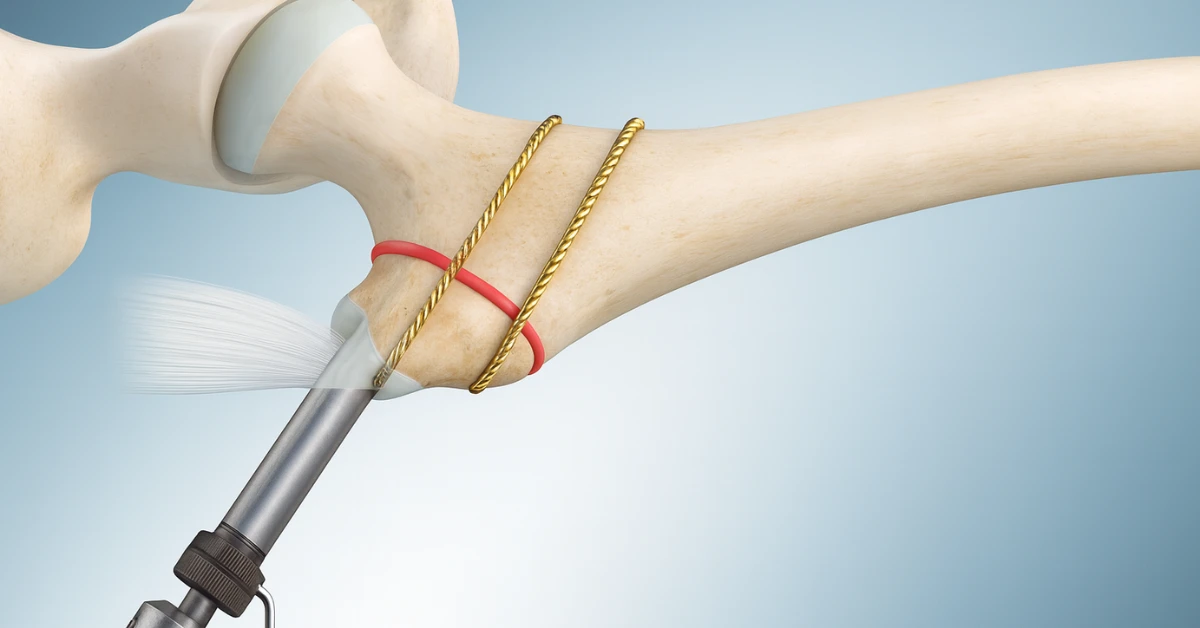
Labral repair with PFN fixation and trochanteric bursectomy restores hip stability, reduces pain, improves function, and supports faster recovery.
Labral Repair PFN Fixation

99.8%

Safety Rate

0 +
Years of Experience
0 +
Expert Doctors
0 %

Safety Rate

0 /7
Emergency Care

Labral Repair PFN Fixation Services

Comprehensive Labral Repair PFN Fixation care with advanced monitoring and safety protocols

Hip pain, stiffness, and limited movement are common issues caused by various hip injuries and conditions. Depending on the diagnosis, surgeons may recommend procedures such as labral repair to improve joint stability, PFN fixation for healing trochanteric fractures, or trochanteric bursectomy for chronic bursitis. Each procedure addresses a specific problem but aims for the same outcome—pain relief and better mobility. With labral repair PFN fixation in Chennai, patients benefit from targeted surgical care. These treatments help restore function and improve overall quality of life.

Labral Repair

The labrum is a ring of cartilage that lines the hip socket, providing cushioning and stability. A torn labrum can cause groin pain, clicking sensations, and difficulty in hip movement. Labral repair surgery involves reattaching the torn labrum to the hip socket using sutures or anchors. This helps restore the natural anatomy of the hip, reduce pain, and prevent early onset arthritis.

When recommended:

  • Hip instability due to labral tear.
  • Persistent hip pain not relieved by physiotherapy.
  • Sports injuries or structural abnormalities like femoroacetabular impingement (FAI).

PFN Fixation of Trochanteric Fracture

A trochanteric fracture occurs in the upper part of the thigh bone (femur), usually due to falls or high-impact injuries. These fractures are common in elderly patients with osteoporosis but can also occur in younger individuals after trauma. Proximal Femoral Nail (PFN) fixation is a modern surgical technique used to stabilize such fractures.

In this procedure, a metal rod (nail) is inserted into the femur through a small incision, and screws are placed to hold the fractured bone fragments together. PFN fixation offers strong internal stability, allowing early mobilization and reducing the risk of complications like non-union.

Benefits:

  • Minimally invasive with smaller incisions.
  • Promotes faster healing compared to traditional methods.
  • Enables patients to bear weight earlier, reducing the risk of immobility-related complications.

Trochanteric Bursectomy

The trochanteric bursa is a small fluid-filled sac that cushions the outer hip bone. When this bursa becomes inflamed, a painful condition known as trochanteric bursitis develops. While non-surgical treatments such as rest, injections, and physiotherapy often help, chronic or recurrent cases may require surgical removal.

Trochanteric bursectomy involves carefully excising the inflamed bursa while preserving surrounding structures. This procedure relieves pain, restores hip movement, and prevents future inflammation.

Indications:

  • Persistent lateral hip pain despite conservative treatment.
  • Swelling and tenderness around the greater trochanter.
  • Difficulty walking, climbing stairs, or lying on the affected side.

https://youtu.be/JXTyYbTRGv0?si=XLX4DFilu0jU9sya

Recovery and Rehabilitation

Recovery depends on the type of procedure performed:

  • Labral repair – Requires restricted weight-bearing initially, followed by physiotherapy to restore hip strength and range of motion.
  • PFN fixation – Patients often begin walking with assistance within a few days, promoting faster recovery.
  • Trochanteric bursectomy – Recovery is generally quicker, with patients resuming normal activities in a few weeks.

A structured rehabilitation plan is crucial to ensure long-term success, prevent stiffness, and regain full function.

Conclusion

Hip problems like labral tears, fractures, and bursitis can greatly affect everyday activities and independence. Surgical options such as labral repair, PFN fixation, and trochanteric bursectomy provide effective solutions for different hip conditions. Dr. Vijay Sohanlal is best Orthopedic surgeon, knee and Hip Replacement specialist in Chennai, offering advanced treatment with patient-focused care. With labral repair PFN fixation in Chennai, patients receive precise surgery and structured rehabilitation. This approach supports lasting pain relief, improved mobility, and a better quality of life.

Our Specialists

Meet our experienced team of anaesthesiologists dedicated to your safety and comfort

No data was found

Related Blogs

No data was found

Latest Health Vlog Updates

Managing Arthritis: Tips for a Pain-Free Life

Non surgical treatment of knee pain, without knee surgery pain relief.

Lower back pain | Lumbar spondylosis | Back Pain exercise | Exercises at home | Dr Vijay Sohanlal

Need Medical Assistance? Book an Appointment Now!

Our experienced anaesthesiologists are here to ensure your safety and comfort

Frequently Asked Questions

Common questions about Labral Repair PFN Fixation and our services

Labrum repair is a surgical procedure to fix a torn labrum the ring of cartilage that stabilizes the shoulder joint. The surgeon reattaches the torn cartilage using sutures or anchors to restore stability, reduce pain, and prevent recurrent dislocation. It is commonly done for athletes or individuals with shoulder instability after injury or repeated dislocations.

Recovery from labrum repair usually takes 4 to 6 months. The arm is kept in a sling for several weeks initially. Passive motion begins early, followed by gradual active movement and strength training. Light activities return by 3 months, while contact sports and heavy work may require 5 to 6 months depending on healing and rehabilitation progress.

Labrum repair surgery generally has a high success rate, with 85–95% of patients experiencing improved stability, reduced pain, and return to normal function. Success depends on proper rehabilitation, activity modification, and injury severity. Most patients, especially athletes and young adults, return to sports and daily activities safely with long-term shoulder stability after complete healing.

Book an Appointment