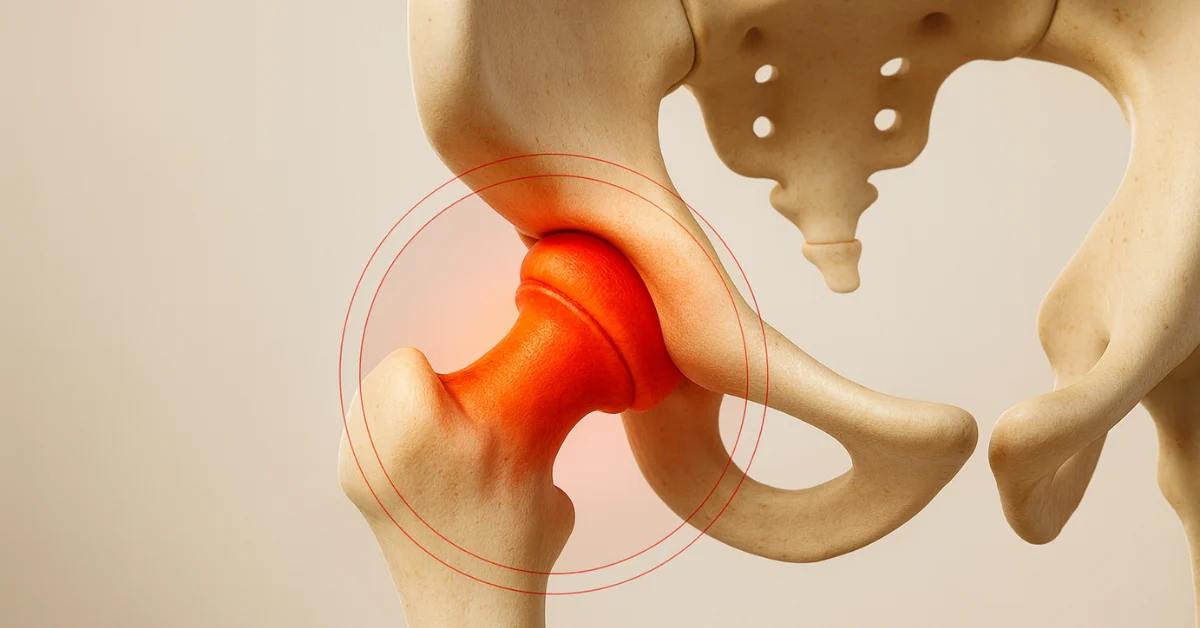
Arthrolysis

Arthrolysis is a surgical procedure that releases stiff joints by removing scar tissue and adhesions, restoring smoother, more comfortable joint
Arthrolysis

99.8%

Safety Rate

0 +
Years of Experience
0 +
Expert Doctors
0 %

Safety Rate

0 /7
Emergency Care

Arthrolysis Services

Comprehensive Arthrolysis care with advanced monitoring and safety protocols

Joint stiffness can significantly restrict movement and impact daily comfort if left untreated. Arthrolysis is an advanced surgical procedure designed to release scar tissue, adhesions, or fibrous bands that limit joint mobility. It is commonly recommended for joints like the knee, shoulder, elbow, or hip following injury, prolonged immobilization, or prior surgery. By precisely removing restrictive tissue, the procedure helps restore smoother movement. With Arthrolysis treatment in Chennai, patients can experience improved flexibility, reduced pain, and better joint function.

What is Arthrolysis?

Arthrolysis is a surgical technique aimed at improving the range of motion in joints that have become stiff due to scar formation or contractures. This condition, known as “arthrofibrosis,” can occur after injuries, Radius fractures, or surgical procedures like ligament reconstruction or joint replacement. The procedure involves clearing away excess scar tissue, releasing adhesions, and correcting joint alignment where necessary.

Surgeons may perform arthrolysis using either:

  • Open Arthrolysis – A traditional approach involving a larger incision to access and release the joint.
  • Minimally Invasive Arthrolysis – Performed using small incisions and specialized instruments, offering quicker recovery and less tissue damage.

When is Arthrolysis Recommended?

Arthrolysis is considered when:

  • A joint remains stiff and painful despite physiotherapy and conservative treatments.
  • Scar tissue formation severely restricts motion.
  • Daily activities or sports performance are limited due to joint immobility.
  • Stiffness develops after fractures, ligament surgeries, or joint replacement procedures.

The Arthrolysis Procedure

  1. Evaluation and Planning – Imaging studies (X-rays, MRI, or CT scans) help determine the extent of scar tissue and joint restriction.
  2. Anesthesia – The patient is given regional or general anesthesia for comfort.
  3. Surgical Release – Scar tissue and adhesions are carefully removed, and tight structures are released to improve joint motion. In some cases, additional procedures such as ligament balancing or hardware removal are performed.
  4. Closure and Protection – The incision is closed, and the joint is protected with a dressing or brace, depending on the joint treated.

https://youtu.be/G3-CcluHH3o?si=R7BxahDu9HJF2BHd

Recovery and Rehabilitation

Recovery after arthrolysis requires a structured rehabilitation program to maintain the improved motion and prevent recurrence of stiffness:

  • Early Physiotherapy – Gentle exercises begin soon after surgery to keep the joint mobile.
  • Pain Management – Medications and cold therapy help control pain and swelling.
  • Strengthening Exercises – Gradual strengthening of surrounding muscles improves stability.
  • Return to Activities – Most patients resume normal activities within a few months, while complete recovery varies depending on the joint and extent of surgery.

Benefits of Arthrolysis

  • Restores joint mobility and flexibility.
  • Reduces chronic stiffness and pain.
  • Improves overall function and quality of life.
  • Enables return to work, sports, and daily activities.

Conclusion

Severe joint stiffness can make routine activities difficult and may not improve with non-surgical care alone. Arthrolysis surgery offers an effective solution by carefully releasing scar tissue that restricts natural joint motion. Dr. Vijay Sohanlal is best Orthopedic surgeon, knee and Hip Replacement specialist in Chennai, known for delivering precise surgical care and reliable outcomes. Combined with structured rehabilitation, this approach supports lasting mobility and pain relief. Arthrolysis treatment in Chennai helps patients regain confidence, comfort, and long-term joint function.

Read More: TFCC Repair (Triangular Fibro Cartilage)

Our Specialists

Meet our experienced team of anaesthesiologists dedicated to your safety and comfort

No data was found

Related Blogs

No data was found

Latest Health Vlog Updates

Managing Arthritis: Tips for a Pain-Free Life

Non surgical treatment of knee pain, without knee surgery pain relief.

Lower back pain | Lumbar spondylosis | Back Pain exercise | Exercises at home | Dr Vijay Sohanlal

Need Medical Assistance? Book an Appointment Now!

Our experienced anaesthesiologists are here to ensure your safety and comfort

Frequently Asked Questions

Common questions about Arthrolysis and our services

Arthrolysis is a surgical procedure performed to release stiff joints caused by scar tissue, adhesions, or contracted soft tissues that limit motion. It can be done arthroscopically or through open surgery. The goal is to restore joint mobility, reduce pain, and improve functional movement in joints such as the knee, elbow, shoulder, or wrist after injury or surgery.

Arthrolysis becomes necessary when a joint becomes stiff or frozen due to excessive scar tissue formation after trauma, fractures, ligament injuries, or previous surgeries. Prolonged immobilization, infection, or poor rehabilitation may also contribute to joint contracture. When conservative treatments like physiotherapy fail to restore motion, arthrolysis is considered to regain functional movement.

Arthrolysis becomes necessary when a joint becomes stiff or frozen due to excessive scar tissue formation after trauma, fractures, ligament injuries, or previous surgeries. Prolonged immobilization, infection, or poor rehabilitation may also contribute to joint contracture. When conservative treatments like physiotherapy fail to restore motion, arthrolysis is considered to regain functional movement.

Arthrolysis recovery can involve mild to moderate pain, especially in the initial days after surgery. Pain is usually managed with medication, ice therapy, and gradual physiotherapy. Early rehabilitation is key to prevent stiffness from returning. Discomfort reduces over time as mobility improves. Most patients tolerate recovery well when pain control and therapy are followed correctly.

Book an Appointment