Safety Rate
Knee pain is one of the most common orthopaedic concerns affecting people of all ages, especially those above 40. It can gradually interfere with simple daily activities like walking, climbing stairs, or even standing for long periods. When medications, physiotherapy, injections, and lifestyle changes no longer provide relief, partial knee replacement surgery in Chennai becomes a highly effective treatment option.
Unlike total knee replacement, this advanced procedure focuses only on the damaged part of the knee, preserving the healthy bone, cartilage, and ligaments. With the growing adoption of minimally invasive and robotic-assisted techniques, partial knee replacement today offers quicker recovery, reduced pain, and excellent long-term outcomes. Chennai, known for its advanced healthcare infrastructure, provides access to experienced surgeons, cutting-edge technology, and world-class treatment standards.
Partial knee replacement is most commonly performed for patients suffering from osteoarthritis, a degenerative joint disease that causes the cartilage in the knee to wear away. The procedure can also be beneficial for individuals with post-traumatic arthritis or those who have experienced cartilage damage from previous injuries. Other conditions that can be treated with PKR include:
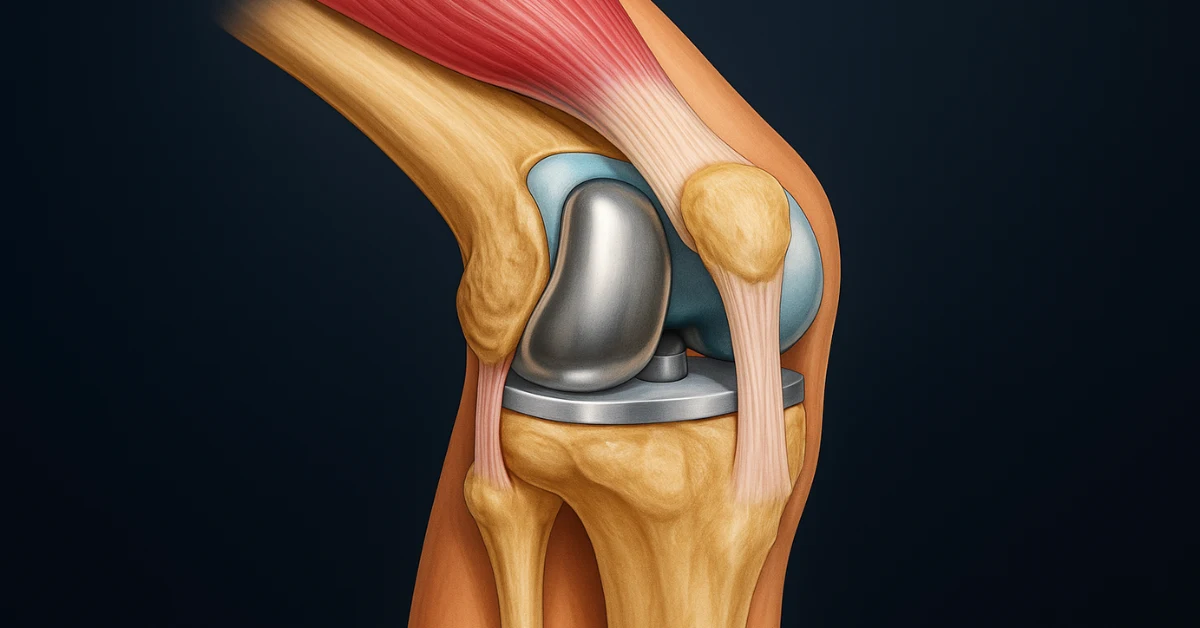
Understanding knee anatomy helps in recognizing how partial knee replacement works. The knee is a hinge joint formed by:
These bones are covered with smooth cartilage that allows frictionless movement. Between them lies synovial fluid, which lubricates the joint. Ligaments and muscles provide stability and support.
When cartilage in one compartment wears out due to osteoarthritis or injury, bones begin to rub against each other, causing pain, swelling, and stiffness. Instead of replacing the entire joint, partial knee replacement surgery in Chennai targets only the damaged compartment, preserving the rest of the knee’s natural function.
Before undergoing partial knee replacement, patients must have a thorough evaluation by their orthopedic surgeon. This includes a physical examination, medical history review, and imaging tests like X-rays or MRIs to assess the extent of joint damage. Preoperative preparation may also include:
Patients will also be instructed on what medications to stop taking before surgery, such as blood thinners, to reduce the risk of bleeding during the operation.
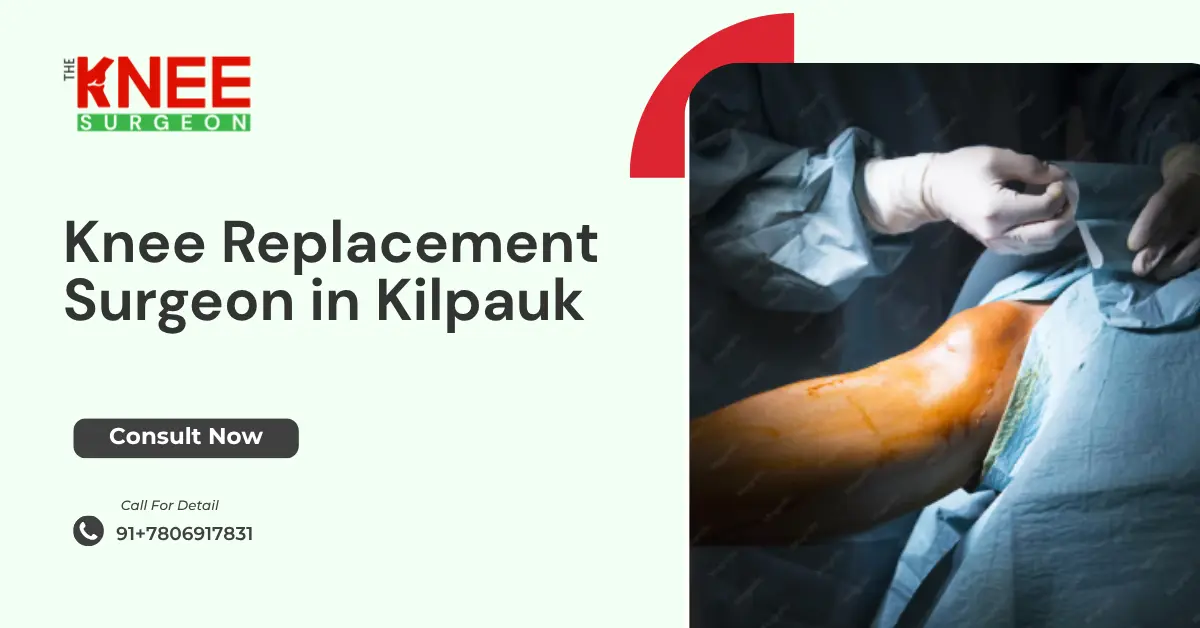
Partial knee replacement is typically performed under general or spinal anesthesia, and the surgery lasts about 1 to 2 hours. The surgeon creates a small cut over the damaged part of the knee joint. Through this incision, the damaged cartilage and bone are removed and replaced with a metal and plastic implant. The implant is designed to mimic the natural movement of the knee and restore function. Depending on the specific case, either the inner or outer knee compartment is replaced.
Not every knee condition requires a full replacement. You may be an ideal candidate for partial knee replacement if:
A skilled partial knee replacement surgeon in Chennai will conduct detailed clinical evaluations, imaging tests, and functional assessments before confirming suitability.
Partial knee replacement is a relatively quick procedure compared to total knee replacement. The surgery itself typically takes between one to two hours. Recovery time in the hospital is usually shorter as well, with patients generally staying for one to two days. However, full recovery may take several months, depending on the individual's health and adherence to post-operative care instructions.
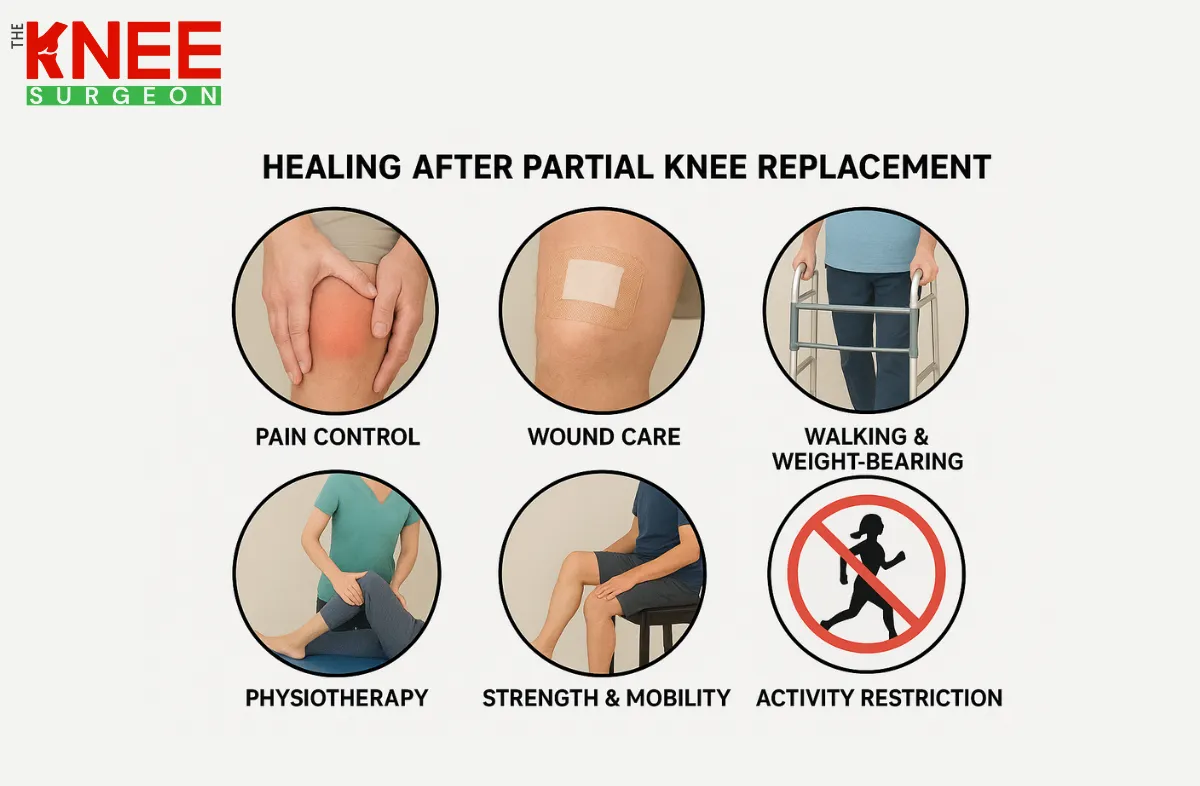
After the surgery, patients typically begin rehabilitation almost immediately. This may involve physical therapy to help restore the knee's range of motion and strength. Post-operative care includes managing pain with medication, icing the knee to reduce swelling, and elevating the leg.
Partial knee replacement offers several significant benefits, particularly for individuals whose knee damage is confined to a single compartment. Some of the key benefits include:
The longevity of partial knee replacements can vary depending on the patient’s activity level, weight, and overall health. However, modern implants are designed to last between 10 to 15 years, and some may even last longer. Many patients can expect to have their partial knee replacement for several years before needing a revision surgery.
As with any surgical procedure, partial knee replacement carries some risks. These may include:
Recovery from partial knee replacement typically takes less time than a full knee replacement. Most patients can return to normal, low-impact activities within 6 to 8 weeks. However, complete recovery, including regaining full strength and mobility, may take 3 to 6 months. Patients are encouraged to follow a rehabilitation plan to ensure they regain full knee function and strength.
Choosing the right surgeon is one of the most important decisions for a successful outcome. Dr. Vijay Kumar Sohanlal is a highly respected knee replacement surgeon in Chennai, known for his expertise in both robotic-assisted and conventional joint replacement procedures. With over 18+ years of experience at MAHI Hospitals, he specializes in navigation-guided and minimally invasive knee surgeries. His approach ensures precision, reduced complications, and consistently successful outcomes.
Patients looking for a trusted partial knee replacement surgeon in Chennai benefit from his personalized care, advanced techniques, and commitment to excellence.
Partial knee replacement is an effective surgical option for people struggling with knee pain and stiffness caused by localized arthritis. It provides several advantages, such as quicker recovery, reduced post-surgery discomfort, and preservation of natural knee structures. With partial knee replacement surgery in Chennai, patients can regain mobility and comfort. Consult an experienced orthopedic surgeon to determine if this life-changing procedure is right for you.
Read more: Revision Knee Replacement
Yes, it can be an excellent option for patients with arthritis or cartilage damage confined to a single knee compartment. With partial knee replacement surgery in Chennai, individuals experience quicker recovery, less pain, and a natural joint feel. This minimally invasive procedure helps restore mobility and function while preserving healthy bone and tissue.
The ideal age for partial knee replacement surgery in Chennai is usually between 50 and 70 years. During this stage, patients often have localized joint damage and stronger bone quality, leading to better outcomes. However, age alone isn’t the deciding factor—overall health, activity level, and knee condition determine the best candidates for surgery.
After partial knee replacement surgery in Chennai, most patients return to normal daily activities within 6–8 weeks. Full recovery, including improved strength and flexibility, may take 3–6 months. Following a personalized physiotherapy program helps ensure optimal healing, restoring mobility and allowing patients to resume an active, pain-free lifestyle faster than with total replacement.
Take the first step towards pain-free living. Book your consultation today and discover personalized treatment options tailored to your needs.