Safety Rate
Orthopedic conditions such as arthritis, cartilage degeneration, ligament injuries, and chronic joint pain can greatly affect mobility and quality of life. Traditional treatments often focus on pain relief or symptom management, while surgical procedures may involve longer recovery times. Recent advances in regenerative medicine have introduced Exosome therapy in orthopedics in Chennai , a promising and innovative approach in orthopedics that aims to repair and restore damaged tissues at the cellular level. Exosomes are natural messengers between cells, and when used in orthopedic care, they help stimulate healing, reduce inflammation, and promote tissue regeneration.
Exosomes are tiny extracellular vesicles naturally released by cells. They contain proteins, lipids, and genetic material that allow cells to communicate with each other and regulate biological processes. In the context of regenerative medicine, exosomes derived from stem cells are particularly valuable because they carry strong regenerative signals without the need to use entire stem cells.
When introduced into damaged joints or tissues, exosomes promote repair by:
Exosome therapy is being explored as a treatment for a variety of orthopedic conditions, including:
Recovery after exosome injections is generally quick. Patients may experience mild soreness at the injection site for a short period but can usually return to daily activities within a few days. The regenerative effects build gradually, with many patients noticing improvements in pain, mobility, and function over weeks to months. A rehabilitation program that includes physiotherapy, exercise, and lifestyle adjustments may be recommended to maximize the benefits.
Exosome therapy in orthopedics in Chennai represents an exciting new frontier in regenerative medicine. By harnessing the body’s own cellular communication system, exosomes promote healing, reduce pain, and restore joint function in patients with arthritis, injuries, or degenerative conditions. While research is ongoing, early results are highly promising, making exosomes a valuable alternative for individuals seeking advanced, minimally invasive options for orthopedic care. With proper rehabilitation and guidance, exosome therapy may offer lasting improvements in mobility, function, and overall quality of life.
Read More: Growth Factor Concentrate (GFC)
Meet our experienced team of anaesthesiologists dedicated to your safety and comfort
PRP (Platelet-Rich Plasma) uses a patient’s own blood to concentrate platelets, delivering growth factors that promote healing. Exosome therapy, in contrast, uses extracellular vesicles derived from stem cells, which carry proteins, RNA, and signaling molecules to stimulate tissue repair and regeneration. Exosomes can target inflammation and cellular repair more directly than PRP.
Exosome treatment is used to promote healing and regeneration in damaged tissues. In orthopaedics, it helps treat joint degeneration, tendon injuries, ligament damage, and cartilage defects. Exosomes reduce inflammation, stimulate cellular repair, and may slow degenerative changes. They are also being explored in cosmetic, neurological, and cardiac therapies due to their regenerative and anti-inflammatory properties.
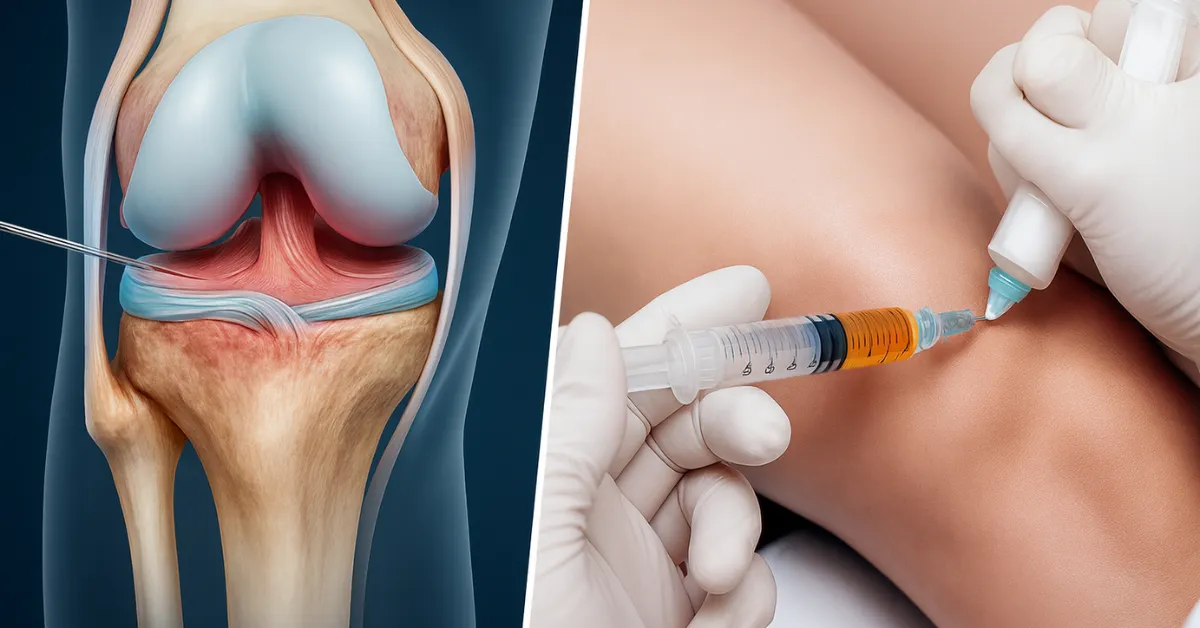
An exosome injection for joints delivers regenerative extracellular vesicles directly into a damaged joint, such as the knee or shoulder. The exosomes carry growth factors, proteins, and signaling molecules that reduce inflammation, stimulate cartilage repair, and promote tissue regeneration. This minimally invasive therapy aims to improve joint function, reduce pain, and potentially delay the need for joint replacement.
Our experienced anaesthesiologists are here to ensure your safety and comfort