Safety Rate
Knee replacement surgery has transformed the lives of millions by restoring mobility and reducing chronic pain. However, in some cases, the original implant may fail over time due to wear, infection, or other complications. This is where revision knee replacement surgery in Chennai becomes essential.
Revision surgery is a more complex procedure than primary knee replacement and requires the expertise of an experienced specialist. Patients looking for long-term relief and improved joint function often seek a trusted revision knee replacement surgeon in Chennai who can accurately diagnose the issue and provide effective treatment.
With advancements in medical technology, including robotic-assisted techniques and minimally invasive procedures, revision surgeries today offer better precision, improved outcomes, and faster recovery.
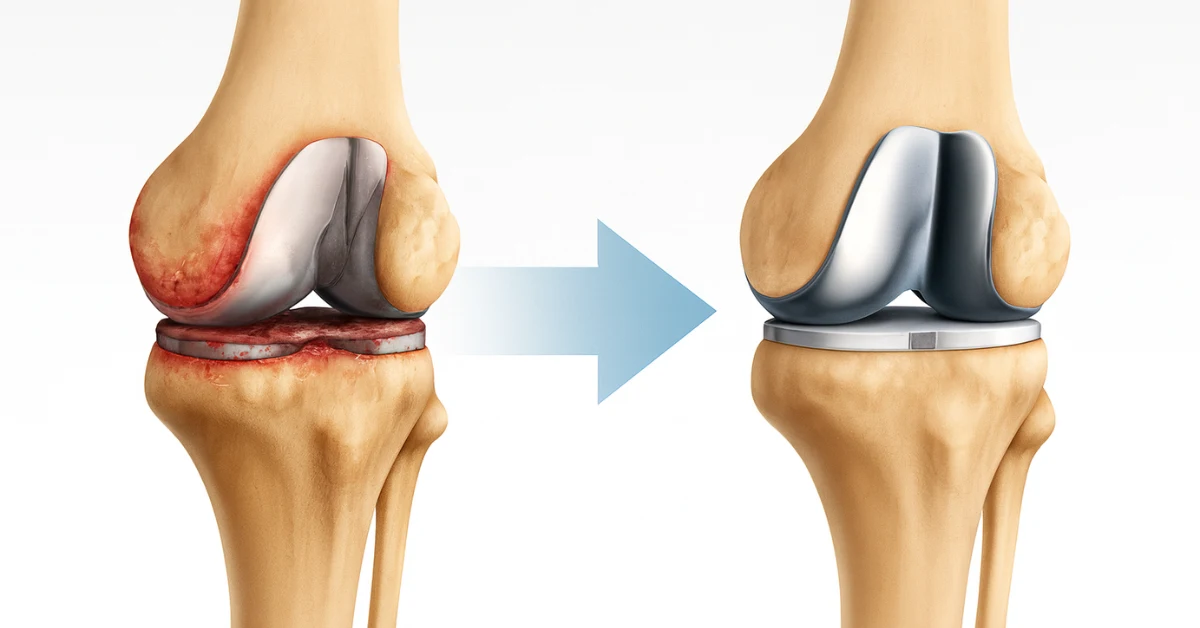
Revision knee replacement is a surgical procedure performed to replace or repair a previously implanted artificial knee joint that has failed or is causing complications. Unlike primary knee replacement, this procedure involves removing the old implant and replacing it with a new one, often requiring specialized implants and advanced surgical planning.
The complexity of revision knee replacement surgery in Chennai depends on factors such as bone loss, infection, and the condition of surrounding tissues. It requires detailed preoperative assessment and a highly skilled surgical approach to ensure successful outcomes.
Not all knee replacements last forever. While modern implants are designed to last 15–20 years or more, certain conditions may necessitate revision surgery earlier.
You may need revision knee replacement if you experience:
Early diagnosis and timely intervention by a qualified revision knee replacement surgeon in Chennai can prevent further complications and improve the success rate of the procedure.
Recognizing the signs of implant failure is crucial for timely treatment. Common symptoms include:
If you notice any of these symptoms, it is important to consult a specialist for evaluation and possible revision knee replacement surgery in Chennai.
Several factors can lead to the failure of a knee implant. Understanding these causes helps in both prevention and effective treatment.
A thorough evaluation by an experienced revision knee replacement surgeon in Chennai ensures accurate diagnosis and treatment planning.
Understanding the difference between primary and revision procedures helps patients make informed decisions.
| Aspect | Primary Knee Replacement | Revision Knee Replacement |
| Complexity | Standard procedure | More complex |
| Duration | Shorter | Longer surgery time |
| Implants | Standard implants | Specialized implants |
| Recovery | Faster | Slightly longer |
| Risk Level | Moderate | Higher due to complexity |
Revision knee replacement requires advanced surgical expertise and careful planning to address complications from the previous surgery.
Revision surgery is more intricate than primary knee replacement. The surgeon removes the failed implant and carefully prepares the bone surfaces. If bone loss is significant, bone grafts or specialized revision implants are used to provide stability. New components are then securely fixed in place to restore alignment and function. The procedure often takes longer and may involve advanced surgical techniques to ensure long-term success.
The type of revision surgery depends on the underlying problem and severity.
Two-stage Revision (Infection)
Used when infection is present:
This staged approach is highly effective for managing infections during revision knee replacement surgery in Chennai.
Like any major surgery, revision procedures carry certain risks:
Choosing an experienced revision knee replacement surgeon in Chennai significantly reduces these risks and improves surgical success.
Despite its complexity, revision surgery offers several benefits:
Patients undergoing revision knee replacement often experience significant improvement in daily activities and overall comfort.
Not every patient with knee pain after joint replacement requires immediate revision knee replacement surgery. In many cases, early diagnosis and proper non-surgical treatment can help reduce discomfort, improve mobility, and delay the need for another procedure. Conservative treatments are often recommended for patients with mild pain, stiffness, muscle weakness, or early implant-related issues.
An experienced revision knee replacement surgeon in Chennai will first evaluate the condition carefully before suggesting surgery. The goal is always to preserve the existing implant whenever possible and improve the patient’s quality of life through safer and less invasive methods.
Dr. Vijay Kumar Sohanlal, a highly respected knee replacement surgeon in Chennai, focuses strongly on patient education and preventive orthopedic care. With over 18 years of experience at MAHI Hospitals, he specializes in robotic-assisted, minimally invasive, and navigation-guided knee replacement procedures designed to improve precision, safety, and recovery outcomes.
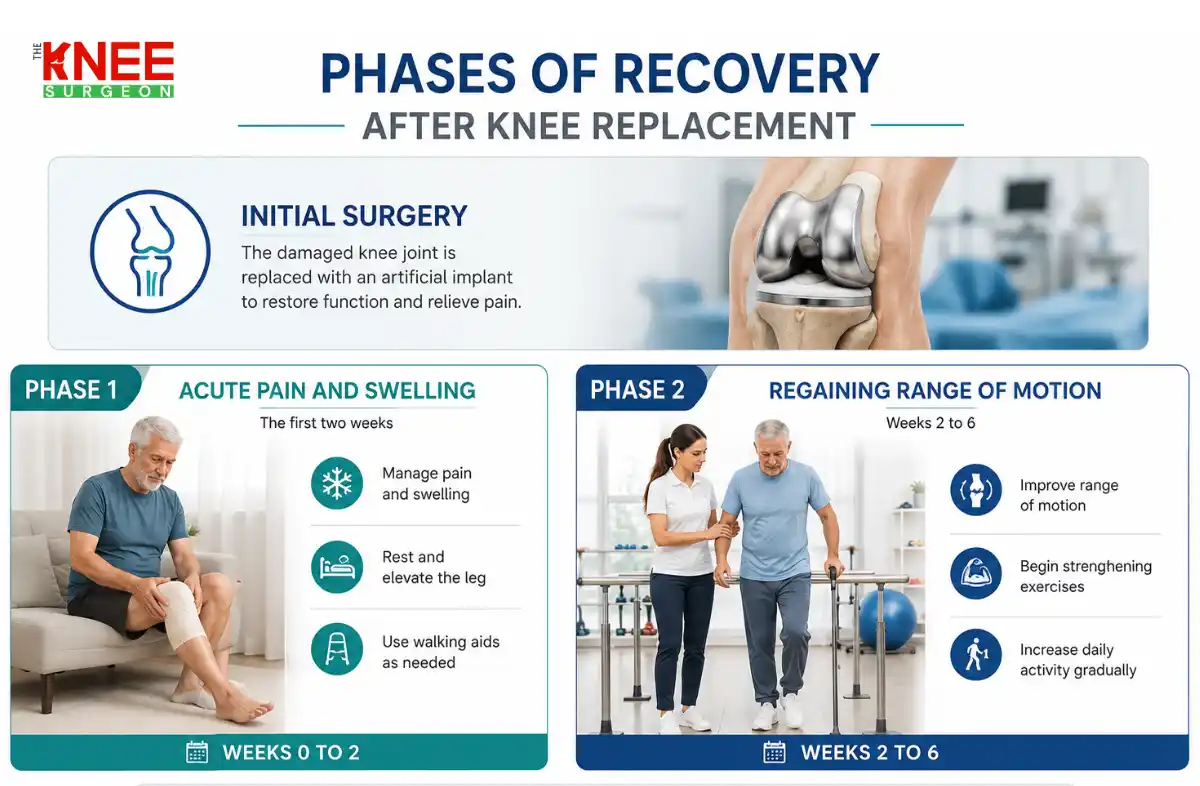
Recovery after revision surgery varies based on the patient’s condition and the complexity of the procedure.
A structured rehabilitation plan is essential for successful recovery after revision knee replacement surgery in Chennai.
Recovery after revision knee replacement surgery is an important part of achieving long-term success. Compared to primary knee replacement, recovery may take slightly longer because revision procedures are more complex and involve replacing damaged implants or correcting joint problems.
Most patients are encouraged to begin gentle movement and assisted walking within a few days after surgery. Physiotherapy gradually helps improve knee flexibility, muscle strength, balance, and walking ability.
Patients undergoing revision knee replacement surgery in Chennai receive personalized rehabilitation plans based on their age, health condition, and surgical requirements. Following rehabilitation exercises regularly can help improve mobility and support smoother recovery.
The revision knee replacement cost in Chennai may vary approximately depending on factors such as implant type, surgical complexity, hospital facilities, robotic technology, and rehabilitation needs. Patients are advised to discuss the complete treatment plan and expected recovery process with their orthopedic specialist before surgery.
At MAHI Hospitals, Dr. Vijay Kumar Sohanlal provides advanced orthopedic care with a patient-focused approach. His expertise in robotic-assisted knee procedures and minimally invasive techniques helps patients experience better implant alignment, improved mobility, and safer recovery outcomes.
The revision knee replacement cost in Chennai can vary depending on several factors such as hospital facilities, surgeon expertise, implant type, and complexity of the procedure.
It is important to consult a specialist for a detailed evaluation and personalized cost estimate for revision knee replacement surgery in Chennai.
Choosing the right surgeon plays a crucial role in the success of revision surgery.
Dr. Vijay Kumar Sohanlal is a highly respected revision knee replacement surgeon in Chennai, known for his expertise in both robotic-assisted and conventional joint replacement procedures. With over 18+ years of experience at MAHI Hospitals, he specializes in navigation-guided and minimally invasive knee surgeries.
His approach focuses on:
Patients trust his expertise for safe, effective, and long-lasting results in revision knee replacement surgery in Chennai.
Revision knee replacement is a highly specialized procedure designed to address complications from previous knee surgeries and restore mobility and comfort. With advancements in surgical techniques and technology, patients can now expect improved outcomes and faster recovery.
If you are experiencing symptoms of implant failure or persistent knee pain, consulting an expert for revision knee replacement surgery in Chennai is the first step toward regaining your quality of life. Choosing a skilled and experienced surgeon ensures safe treatment, long-term success, and renewed confidence in movement.
The number of times a knee revision can be performed depends on the patient’s bone quality, overall health, implant condition, and the cause of implant failure. In many cases, revision knee replacement surgery can be performed more than once if required. However, each additional surgery may become more complex because of bone loss and changes in surrounding tissues. Early diagnosis, proper rehabilitation, and regular follow-up with an experienced revision knee replacement surgeon in Chennai can help improve implant longevity and reduce the need for repeated surgeries.
Revision knee replacement surgery is generally considered successful when performed by an experienced orthopedic specialist using advanced surgical techniques. Most patients experience significant pain relief, improved joint stability, and better mobility after surgery. Success rates depend on factors such as the patient’s age, overall health, severity of implant damage, and post-surgery rehabilitation. Modern techniques including robotic-assisted and minimally invasive procedures have improved surgical precision and recovery outcomes. Proper physiotherapy and long-term joint care also play an important role in achieving successful results.
Revision knee replacement surgery can involve a slightly longer recovery process compared to primary knee replacement because it is usually a more complex procedure. Some patients may experience additional stiffness or discomfort during the early stages of recovery. However, with modern pain management techniques, physiotherapy, and personalized rehabilitation programs, most patients gradually regain comfort and mobility. Choosing a skilled revision knee replacement surgeon in Chennai helps ensure better surgical planning, improved pain management, and smoother recovery outcomes.
Several advanced non-surgical and minimally invasive treatments are now available as alternatives for patients who may not immediately require knee replacement surgery. These include physiotherapy, weight management, pain management therapies, injection-based treatments, and robotic-assisted joint preservation procedures. In selected patients with early joint damage, these treatments may help reduce pain and improve mobility without major surgery. However, for patients with severe arthritis, implant failure, or advanced joint damage, revision knee replacement surgery may still remain the most effective long-term solution for restoring knee function and improving quality of life.
Take the first step towards pain-free living. Book your consultation today and discover personalized treatment options tailored to your needs.