Safety Rate
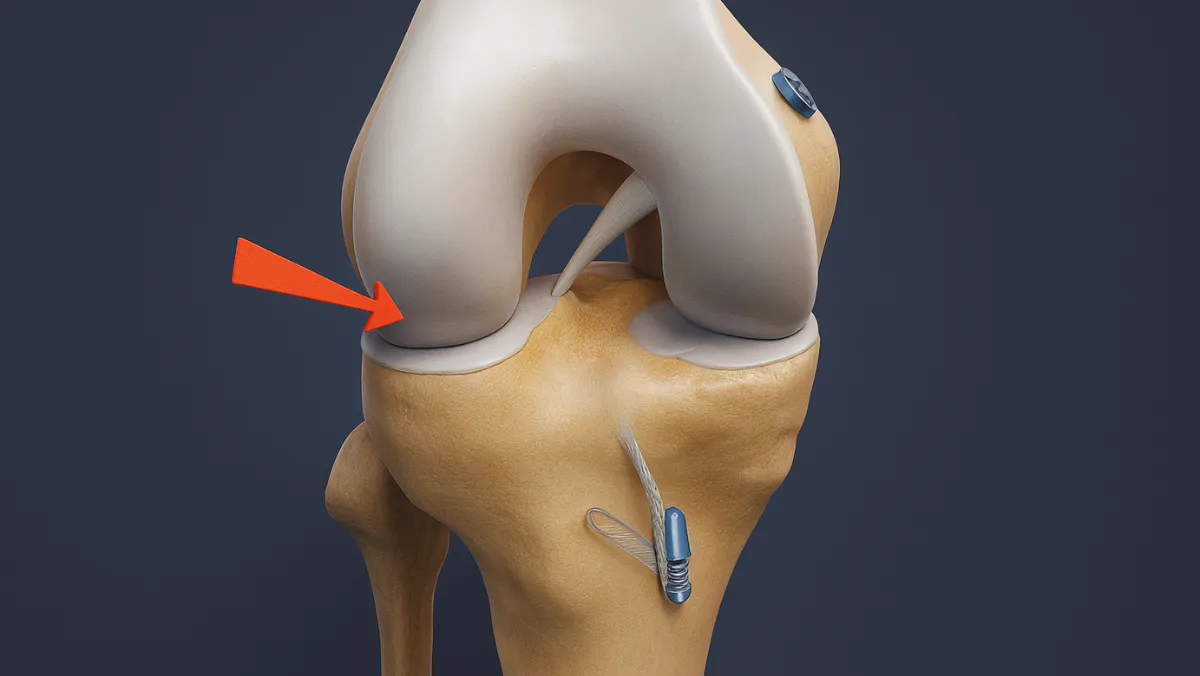
The Posterior Cruciate Ligament (PCL) plays a vital role in maintaining knee stability by preventing backward movement of the shin bone. Although less common than ACL injuries, PCL damage can lead to pain, instability, and long-term joint problems if untreated. A PCL avulsion injury occurs when the ligament pulls away from the tibia, often due to sports injuries, accidents, or falls. This type of injury may also involve a small bone fragment at the attachment site. Arthroscopic PCL avulsion fixation surgery in Chennai offers a minimally invasive solution to restore stability and preserve knee function.
Arthroscopic PCL avulsion fixation is a minimally invasive surgical technique performed through small incisions using an arthroscope (a camera-assisted surgical tool). The goal is to reattach the avulsed ligament fragment to its original site on the tibia using specialized fixation devices such as screws, sutures, or anchors. By doing so, the natural anatomy of the knee is preserved and stability is restored.
Surgery is recommended when:
Rehabilitation is crucial for a successful outcome after arthroscopic PCL avulsion fixation:
Although generally safe, potential risks include infection, blood clots, stiffness, hardware irritation, or incomplete healing. Outcomes are strongly influenced by surgical expertise, rehabilitation compliance, and the extent of associated injuries.
Arthroscopic PCL avulsion fixation is a minimally invasive procedure designed to repair ligament avulsion injuries effectively. The technique focuses on precise fixation while minimizing damage to surrounding tissues. Dr. Vijay Sohanlal is best Orthopedic surgeon, knee and Hip Replacement specialist in Chennai, known for advanced knee care. His expertise ensures accurate repair, improved stability, and smoother recovery. Arthroscopic PCL avulsion fixation surgery in Chennai under expert guidance helps patients return safely to active, pain-free lifestyles.
Read More: Arthroscopic OCD Fixation
Meet our experienced team of anaesthesiologists dedicated to your safety and comfort
The posterior cruciate ligament (PCL) is one of the main stabilizing ligaments of the knee. It prevents the tibia from moving backward in relation to the femur and helps maintain proper joint alignment during walking, climbing, and bending. A healthy PCL supports smooth knee movement and overall stability. When injured, the knee may feel weak or unstable. Arthroscopic PCL Avulsion Fixation surgery in Chennai helps restore ligament function and protect long-term knee health.
A PCL tear is not always worse than an ACL tear, but it can still cause significant instability if untreated. PCL injuries often result from high-impact trauma and may go unnoticed initially due to milder symptoms. Over time, however, untreated PCL injuries can lead to cartilage damage and arthritis. Proper diagnosis is essential to prevent complications. Arthroscopic PCL Avulsion Fixation surgery in Chennai offers effective treatment for restoring stability and preventing long-term knee problems.
Some mild PCL injuries can heal without surgery through rest, bracing, physiotherapy, and activity modification. However, avulsion injuries or severe tears often require surgical fixation to restore proper knee stability. Delaying treatment may increase the risk of joint degeneration. An orthopedic evaluation helps determine the best course of care. Arthroscopic PCL Avulsion Fixation surgery in Chennai provides a minimally invasive option when surgical repair is needed for lasting recovery.
Our experienced anaesthesiologists are here to ensure your safety and comfort