
Total Knee Replacement Surgeon in Chennai

Expert guidance from a total knee replacement surgeon in Chennai for safe surgery, smooth recovery, improved mobility.
Total Knee Replacement Surgeon in Chennai
Contents

Knee pain has a way of creeping into every part of life. It starts small — a stiff joint after sitting too long, a twinge while climbing stairs — and slowly turns into something that decides what you can and can’t do every day. If you’ve reached a point where simple things like walking to the temple, sitting cross-legged for a meal, or playing with your grandchildren feel impossible, it might be time to talk to a specialist who deals with exactly this.

Dr. Vijay Kumar Sohanlal is a total knee replacement surgeon in Chennai who has spent years helping people get their mobility — and their confidence — back. Whether you’re exploring options for the first time or you’ve been told surgery is unavoidable, this guide walks you through everything you need to know, in plain language, without the medical jargon overload.

What is Total Knee Replacement Surgery?

Total knee replacement, sometimes called total knee arthroplasty, is a surgical procedure where the damaged surfaces of the knee joint are removed and replaced with an artificial implant — usually made of metal alloys and high-grade plastic (polyethylene).

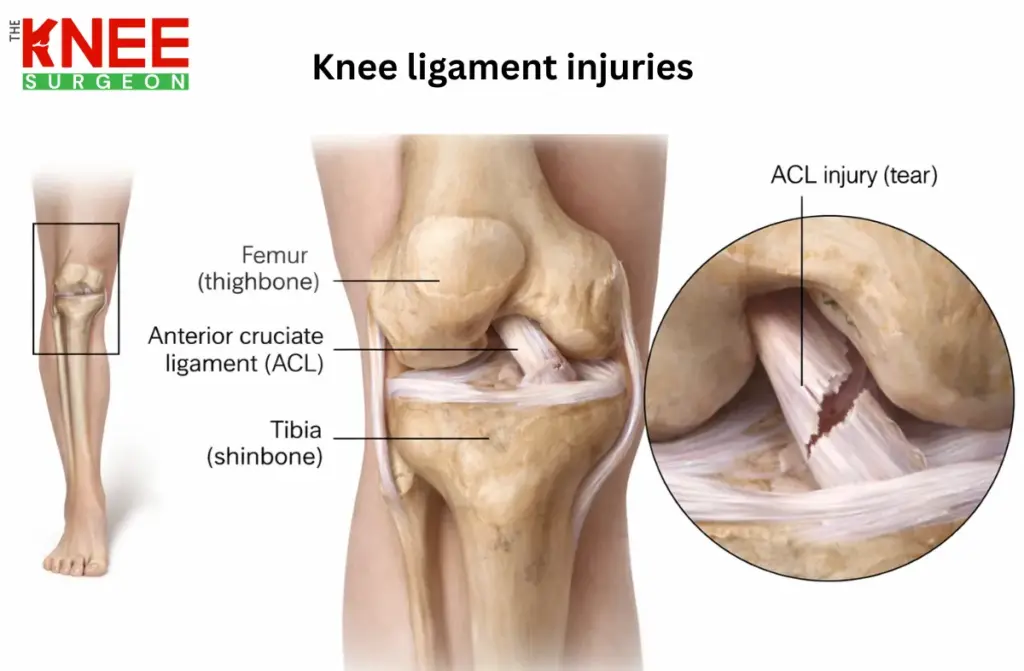
Think of the knee as a hinge that’s worn down over years of use. The cartilage that once cushioned the bones has thinned out or disappeared entirely, leaving bone rubbing against bone. This is what causes that grinding pain, swelling, and stiffness that no amount of rest seems to fix. During the surgery, the surgeon resurfaces the ends of the thigh bone (femur) and shin bone (tibia), and sometimes the underside of the kneecap, with these implants — recreating a smooth, functional joint.

It’s a major surgery, yes, but it’s also one of the most well-studied and predictable procedures in orthopedics today, with decades of data behind it.

Meet Dr. Vijay Kumar Sohanlal

Dr. Vijay Kumar Sohanlal

For more than 18+ years, Dr. Vijay Kumar Sohanlal has focused on one goal — helping people move freely and live without pain. As a total knee replacement surgeon in Chennai, he’s known not only for his surgical precision but also for how he talks to his patients. Before any decision is made, he takes the time to explain what’s actually going on with the joint, what the realistic options are, and what recovery will genuinely look like ,no rushed explanations, no unanswered questions left hanging. For anyone facing a knee or hip replacement, that kind of clarity often matters as much as the surgery itself.

He practises at two locations across the city — Mahi Joint Replacement and Orthopedic Clinic in Kilpauk, and MGM Healthcare in Aminjikarai — making him easily accessible to patients across both north and central Chennai.

Orthopaedic Doctor in Chennai

Qualifications and Training

His training reflects a strong mix of academic depth and real surgical exposure:

MBBS and MS in Orthopaedics, followed by an Advanced Fellowship in Joint Replacement Surgery. He’s also trained internationally under leading orthopaedic experts in Germany and Australia, gaining exposure to techniques and standards practised globally. He previously served as the Clinical Lead for Robotic Joint Replacement at Medway Hospitals, and currently holds the role of Senior Joint Replacement Surgeon at MGM Healthcare.

It’s this combination — solid academic grounding, years of hands-on surgical experience, and international exposure — that separates a dedicated joint replacement specialist from a general practitioner handling orthopedic cases as one of many. For patients looking specifically for a total knee replacement surgeon in Chennai who has both the credentials and the chairside manner to match, this background is worth knowing before that first consultation.

Why Choose Dr. Vijay Kumar Sohanlal for Knee Replacement Surgery?

There’s no shortage of orthopedic clinics in the city, so it’s fair to ask — why this surgeon, specifically?

A few things stand out.

  • First, his experience isn’t spread thin across every orthopedic condition under the sun; knee replacement is a core focus, which means he’s seen the same problem from hundreds of different angles and knows how to handle the unexpected.
  • Second, he works with modern surgical techniques, including robotic-assisted knee replacement, which can mean better implant positioning and a smoother recovery for the right candidates.
  • Third — and this matters more than people realize — he’s based in central Chennai, easily reachable whether you’re coming from Kilpauk, Egmore, Nungambakkam, or further out. For anyone searching for a total knee replacement surgeon in Kilpauk or nearby areas, that proximity makes follow-up visits and physiotherapy check-ins far less of a hassle, especially for elderly patients who shouldn’t be travelling long distances right after surgery.
  • Lastly, the team around him — anesthetists, physiotherapists, nursing staff — is built around joint replacement recovery specifically, not a general mix-and-match setup. That continuity tends to show up in how smoothly the whole journey goes, from the day you walk in for a consultation to the day you walk out without a limp.

Who Needs Total Knee Replacement Surgery?

Not everyone with knee pain needs a replacement. In fact, most people with mild to moderate knee issues do perfectly fine with medication, physiotherapy, weight management, and lifestyle changes for years. Surgery becomes a serious conversation only when the joint damage has progressed to a point where it’s affecting your quality of life on a daily basis.

Common Signs You May Need Knee Replacement

Some signals are easy to brush off at first, but they tend to repeat and worsen:

Pain that doesn’t go away even with rest, or that wakes you up at night. Stiffness in the morning that takes longer and longer to loosen up. Visible swelling around the knee that comes and goes. A feeling that the knee is “giving way” or that you can’t fully trust it on stairs. Difficulty getting up from a chair, a car seat, or the floor without using your hands or holding onto something.

If you’ve started avoiding certain activities — skipping the morning walk, taking the lift instead of stairs, sitting out family events that involve standing for long periods — that’s often a quiet sign that the knee has been making decisions for you.

When Conservative Treatments No Longer Work

Doctors usually try a step-by-step approach before recommending surgery: pain relief medication, physiotherapy and strengthening exercises, weight management, knee braces or supports, and sometimes injections like corticosteroids or hyaluronic acid to ease inflammation.

If these have been tried consistently for months — sometimes years — and the pain keeps coming back or getting worse, and X-rays show significant joint space narrowing or bone-on-bone contact, that’s usually the point where a surgeon will start discussing replacement as the more lasting solution.

Conditions Treated by a Knee Replacement Surgeon in Chennai

Knee replacement isn’t just for “old age wear and tear.” Several underlying conditions can lead to the same end result — a damaged joint that needs replacing.

  • Osteoarthritis: This is by far the most common reason people end up needing a knee replacement. It’s the gradual breakdown of cartilage that happens with age, repetitive stress, or genetics. It usually develops slowly over years, starting with occasional stiffness and progressing to constant pain and reduced range of motion.
  • Rheumatoid Arthritis: Unlike osteoarthritis, rheumatoid arthritis is an autoimmune condition where the body’s immune system attacks the joint lining itself. It can affect people at a much younger age and often involves both knees, along with other joints like the hands and wrists. Over time, it can erode the joint surfaces significantly, making replacement necessary even in patients in their 40s or 50s.
  • Post-Traumatic Arthritis: A bad fall, a road accident, or a sports injury that damaged the knee years ago can lead to arthritis much later in life. Even if the original injury healed, the joint surface may have been permanently altered, leading to early wear and tear that eventually requires surgical correction.
  • Avascular Necrosis: This happens when blood supply to part of the bone is cut off, causing that section of bone to weaken and eventually collapse. It’s less common than arthritis but can cause severe pain and joint collapse fairly quickly, sometimes requiring earlier surgical intervention than typical arthritis cases.
  • Severe Knee Deformities: Conditions causing bowed legs (varus deformity) or knock-knees (valgus deformity) can put uneven pressure on parts of the knee joint, accelerating wear on one side. In advanced cases, replacement surgery not only relieves pain but also helps correct the alignment of the leg.

Types of Knee Replacement Surgery

Knee replacement isn’t a one-size-fits-all procedure. The right type depends on how much of the joint is damaged, your age, activity level, and overall health.

  • Total Knee Replacement: This is the most common and comprehensive option, where all three compartments of the knee — the inner, outer, and the area behind the kneecap — are resurfaced. It’s generally recommended when the damage is widespread across the joint.
  • Partial Knee Replacement: If only one part of the knee is damaged — often the inner side — a partial replacement may be possible. This involves a smaller incision, less bone removal, and typically a quicker recovery, though it’s only suitable for patients whose damage is genuinely limited to one compartment.
  • Bilateral Knee Replacement: Many patients have both knees affected by arthritis to a similar degree. Bilateral knee replacement means both knees are operated on — either during the same surgical session or in two closely spaced procedures. This can mean a single recovery period instead of going through rehabilitation twice, though it requires careful evaluation of overall fitness for a longer surgery.
  • Revision Knee Replacement: Implants don’t last forever, and occasionally they can loosen, wear out, or develop complications years after the original surgery. Revision surgery involves removing the old implant and replacing it with a new one. It’s more complex than a first-time replacement and requires a surgeon experienced in handling the additional scar tissue and bone changes involved.
  • Robotic Knee Replacement: A newer technique that uses robotic-arm assistance to help the surgeon plan and execute implant placement with a high degree of precision, based on a 3D model of the patient’s knee created before surgery.
Total Knee Replacement Surgeon in Chennai

Benefits of Total Knee Replacement Surgery

For many patients, the biggest benefit is something simple: getting their life back. That might mean walking to the market without pain, sitting through a full movie without needing to shift constantly, or sleeping through the night without the knee throbbing.

Beyond the obvious pain relief, patients typically experience improved mobility and range of motion, correction of leg deformity in cases of severe bowing, better posture and balance since the body no longer compensates for a painful joint, and a significant boost in independence — especially important for elderly patients who may have started relying on family members for basic tasks.

The results aren’t usually instant — there’s a recovery period involved — but the long-term improvement in day-to-day comfort is often described by patients as life-changing rather than just “helpful.”

Robotic Knee Replacement in Chennai

Robotic-assisted knee replacement has become an increasingly popular option in Chennai’s hospitals, and for good reason — it brings a new level of precision to a procedure that’s always depended heavily on the surgeon’s skill and judgment.

How Robotic Knee Replacement Works

Before the surgery, a detailed scan of the patient’s knee is taken to create a personalized 3D model of the joint. This model helps the surgeon plan exactly where and how the implant should be positioned, accounting for the patient’s unique bone structure and alignment.

During the actual procedure, the surgeon remains fully in control, but the robotic arm assists by guiding precise bone cuts according to the pre-surgical plan, reducing the margin for error compared to purely manual techniques.

Advantages of Robotic-Assisted Surgery

The main appeal of robotic-assisted surgery lies in the accuracy it brings to implant alignment, which can translate into a more natural-feeling joint after recovery. Some patients also experience less soft tissue disruption during the procedure, which may contribute to a smoother early recovery.

That said, robotic assistance is a tool — the surgeon’s experience and judgment still drive the outcome. It works best in the hands of someone who has performed enough conventional replacements to understand exactly what the technology is helping with.

Knee Replacement Treatment Journey

Understanding what the process actually looks like, step by step, can take a lot of the anxiety out of it.

  • Consultation and Evaluation: The journey starts with a detailed conversation — about your pain history, daily limitations, past treatments tried, and your general health. The surgeon will also do a physical examination of the knee, checking range of motion, stability, and alignment.
  • Diagnostic Imaging and Assessment: X-rays are the starting point, showing the extent of joint space narrowing, bone spurs, and alignment issues. In some cases, an MRI or additional blood tests may be needed, particularly if there’s a suspicion of an underlying condition like rheumatoid arthritis or to rule out infection.
  • Pre-Surgical Planning: Once surgery is decided upon, this stage involves fitness assessments (especially for older patients or those with conditions like diabetes or heart issues), discussions about implant type, and — if robotic surgery is chosen — the 3D scanning and planning process described earlier.
  • Knee Replacement Procedure: The surgery itself typically takes one to two hours per knee, performed under spinal or general anesthesia. The damaged joint surfaces are removed and replaced with the implant components, which are secured in place.
  • Post-Surgery Rehabilitation: Recovery begins almost immediately — many patients are encouraged to start gentle movement within a day of surgery. A structured physiotherapy plan is essential during this phase, focusing on regaining strength and range of motion gradually.
  • Follow-Up Care: Regular follow-up visits help monitor healing, check the surgical site, and adjust physiotherapy as needed. These visits also help catch any issues early, which is part of why having a surgeon close to home — whether you’re based near Kilpauk, Chetpet, or central Chennai — makes a real difference during this phase.

What Happens During Total Knee Replacement Surgery?

For most patients, the actual surgery is something of a mystery — understandably, since you’re under anesthesia for it. Here’s a simplified look at what’s happening on the table.

  • Preparing the Knee Joint: After anesthesia is administered, the surgeon makes an incision over the front of the knee to access the joint. The damaged ends of the femur and tibia, along with any remaining cartilage, are carefully removed using precise cutting guides to ensure the bone is shaped correctly for the implant.
  • Implant Placement: The metal components are then fitted onto the prepared bone surfaces, with a plastic spacer placed between them to act as the new “cartilage,” allowing smooth, low-friction movement. If the underside of the kneecap is also damaged, it may be resurfaced with a plastic component as well. The surgeon checks the knee’s movement and alignment before closing the incision.
  • Recovery Room Care: After surgery, patients are moved to a recovery area where vital signs are closely monitored as the anesthesia wears off. Pain management begins right away, and most hospitals encourage gentle ankle and leg movements even on the same day to support circulation and reduce stiffness.

Recovery After Knee Replacement Surgery

Recovery is often described as a marathon, not a sprint — but it’s a marathon with very visible progress markers along the way.

  • Recovery Timeline: Most patients are encouraged to stand and take a few assisted steps within 24 hours of surgery. Hospital stays typically range from a few days, depending on the patient’s overall health and recovery pace. By around two to three weeks, many patients can move around at home with a walker or stick. Significant improvement in walking and reduced reliance on support typically happens over six to twelve weeks, with continued strengthening over several months.
  • Physiotherapy and Rehabilitation: This is, without exaggeration, the most important part of recovery. Physiotherapy focuses on regaining range of motion early on (since stiffness can set in quickly), followed by strengthening exercises for the muscles around the knee, and gradually progressing to balance and walking exercises. Skipping or rushing physiotherapy is one of the most common reasons patients don’t get the full benefit of their new joint.
  • Tips for Faster Recovery: A few things consistently help: following the physiotherapy plan exactly as advised, even on days the knee feels fine. Keeping the surgical area clean and dry as instructed. Maintaining a healthy weight to reduce stress on the new joint. Using assistive devices like walkers or canes for as long as recommended, rather than discarding them too early out of impatience. And staying in touch with the surgical team about any unusual pain, swelling, or warmth around the knee.

Risks and Complications of Knee Replacement Surgery

Like any major surgery, total knee replacement carries some risks, though serious complications are relatively uncommon with experienced surgical teams and proper post-operative care.

Possible risks include infection at the surgical site, blood clots in the legs (deep vein thrombosis), stiffness if physiotherapy isn’t followed properly, implant loosening or wear over many years, and, rarely, nerve or blood vessel injury during surgery. Most of these risks are actively managed through preventive medication, careful surgical technique, and close monitoring during the recovery period. Discussing your specific risk factors — especially if you have diabetes, heart conditions, or are on blood thinners — is an important part of the pre-surgical consultation.

Success Rate of Total Knee Replacement Surgery

Total knee replacement is widely considered one of the most successful procedures in orthopedic surgery, with the vast majority of patients reporting significant pain relief and improved mobility after recovery. Modern implants are designed to last many years of regular use, and improvements in surgical technique — including robotic assistance — have continued to improve both the precision of the procedure and patient satisfaction with the outcome.

Success, though, isn’t just about the surgery itself. It depends heavily on accurate pre-surgical planning, the surgeon’s experience, and — just as importantly — the patient’s commitment to rehabilitation afterward.

Total Knee Replacement Cost in Chennai

This is usually one of the first questions on people’s minds, and understandably so — it’s a significant decision both medically and financially.

Factors Affecting Surgery Cost

The total cost of knee replacement in Chennai can vary based on several factors: the type of procedure (partial vs. total vs. bilateral), whether robotic assistance is used, the hospital’s facilities and room category chosen, the type of implant selected, the surgeon’s fees, and any pre-existing conditions that require additional management during the hospital stay. Insurance coverage can also significantly affect what you end up paying out of pocket.

Because of how many variables go into the final figure, the most reliable way to get an accurate estimate is through a direct consultation, where your specific case, hospital preferences, and insurance situation can all be factored in.

Choosing the Right Implant

Implants come in different materials and designs, and the right choice depends on factors like your age, activity level, bone quality, and any allergies (some patients, for instance, need nickel-free implants). A more expensive implant isn’t automatically the “better” choice for everyone — what matters is that it’s the right fit for your body and lifestyle, which is exactly the kind of decision best made together with your surgeon rather than based on price alone.

Why Chennai is a Preferred Destination for Knee Replacement Surgery

Chennai has built a strong reputation in orthopedic and joint replacement care over the years, and it’s not hard to see why. The city is home to several well-equipped hospitals with dedicated orthopedic departments, experienced surgical teams, and access to advanced technology like robotic-assisted surgery.

For patients within the city — whether you’re closer to Kilpauk, Chetpet, Egmore, or the surrounding neighborhoods — the advantage is convenience: easy access for consultations, surgery, and the multiple follow-up visits that recovery requires. For patients travelling from other parts of Tamil Nadu or even other states, Chennai offers a combination of quality care and relatively accessible costs compared to many other major cities, along with good connectivity for family members who may be accompanying the patient.

Patient Testimonials and Success Stories

Hearing from people who’ve actually been through the process often helps more than any explanation can. Many patients who were once hesitant — worried about the surgery itself, the recovery, or simply the idea of having an “artificial joint” — describe a similar arc: the anxiety before surgery, the discomfort of the first few days, and then, gradually, the relief of doing things they hadn’t been able to do in years. Walking without a limp. Climbing stairs without holding the railing. Sitting through a long family function without needing to get up every few minutes.

These stories vary in detail, but the underlying theme tends to be the same — knee replacement, when it’s genuinely needed and done well, doesn’t just fix a joint. It gives people back a part of their daily life they’d quietly stopped expecting to have.


deepika jain

It’s truly a pleasure to be associated with a doctor like you, Dr. Vijay. Being your patient for so long, and seeing the excellent care you gave my father during his surgery, speaks volumes about your dedication and expertise.

Your commitment towards your patients, your kindness, and the confidence you give us is something we deeply value. Wishing you all the very best for your new venture, Mahi Clinic. I’m sure it will touch many more lives and bring comfort and healing to countless families.

Thank you for always being there for us. Grateful to have a doctor like you.

Rathna N

I have been here a few times to see a Orthopedic Surgeon for my brother’s sports injury. Good and professional doctors, who respect the patients, listen to the patients and spend a considerable time with each patient. Parking is also available.

Karuppaiya p

I had tow surgeries at mahi orthopedic clinic and went through 2 months rehabilitation. After a bad car accident, i have complete use and extension in my elbow thanks to Dr.vijay kumar Sohanlal. The care I received at mahi orthopedic clinic was out sanding.

Book an Appointment with Dr. Vijay Kumar Sohanlal

If knee pain has started influencing your daily life — affecting how you move, work, travel, or enjoy the activities you love — it may be time to explore your treatment options. Dr. Vijay Kumar Sohanlal, a trusted Total Knee Replacement Surgeon in Chennai, provides comprehensive consultations to evaluate your knee condition, determine whether knee replacement surgery is the right choice, and guide you through the treatment journey based on your individual needs.

For patients looking for an experienced best TKR doctor in Chennai, including those in Chetpet and nearby areas, an initial consultation can provide valuable clarity about your condition and available treatment options. Taking the first step doesn’t mean committing to surgery — it simply helps you understand the best path forward for long-term pain relief and improved mobility.

Book an appointment today to receive a personalized assessment and take the first step toward moving comfortably and confidently again.

Conclusion

Knee pain rarely announces itself loudly — it just slowly takes things away, one small activity at a time, until one day you realize how much you’ve stopped doing. The good news is that this doesn’t have to be permanent. With the right evaluation, the right treatment plan, and a surgeon who takes the time to understand your specific situation, total knee replacement can quietly give all of that back.

If you’ve been searching for a total knee replacement surgeon in Chennai and weighing whether surgery is really the right step, the best next move isn’t to decide on your own — it’s to have that conversation with someone experienced enough to guide you through it honestly. Dr. Vijay Kumar Sohanlal works with patients across Chennai, including those looking for a total knee replacement surgeon in Kilpauk or a total knee replacement surgeon in Chetpet, to make that decision a little less overwhelming and a lot more informed.

Whether you’re just starting to explore your options or you’ve already been told surgery is on the horizon, getting clarity now — through a proper consultation — is often the first real step toward getting your everyday life back.

Read More: Total Hip Replacement

Frequently Asked Questions

Total knee replacement is usually recommended for individuals with severe knee pain, stiffness, or deformity that limits daily activities such as walking, climbing stairs, or resting comfortably. People who do not get lasting relief from medications, physiotherapy, or injections may benefit from surgical evaluation. Consulting a total knee replacement surgeon in Chennai helps determine whether joint damage has progressed enough to require surgery and whether the patient is medically fit for the procedure.

The total knee replacement procedure typically takes about one to two hours, depending on the complexity of the joint damage and the surgical technique used. Additional time may be needed for anesthesia preparation and recovery room monitoring. An experienced total knee replacement surgeon in Chennai follows a structured surgical approach to ensure precision, minimize tissue damage, and support smooth recovery while maintaining safety throughout the operation.

Most patients stay in the hospital for two to four days after surgery, depending on pain control, mobility progress, and overall health. Early movement and physiotherapy often begin within a day of surgery. Under the guidance of a total knee replacement surgeon in Chennai, discharge planning focuses on safe walking, wound healing, and continuation of rehabilitation at home or through outpatient therapy programs.

Pain is expected after surgery, but it is carefully managed using medications, ice therapy, and early rehabilitation. Modern pain control methods make recovery more comfortable than many patients expect. A skilled total knee replacement surgeon in Chennai ensures pain is controlled well enough to allow early movement, which helps reduce stiffness, speeds healing, and improves overall recovery outcomes.

There isn’t a fixed “ideal age” — it depends more on the severity of joint damage and how much it’s affecting daily life than on age alone. While many patients are in their 60s and 70s, younger patients with conditions like rheumatoid arthritis or post-traumatic damage may need it earlier, and older patients in good health can still be excellent candidates.

Initial mobility often begins within a day of surgery, with most patients walking with support within a few weeks. Full recovery, including strength and stamina, typically continues over several months, with most significant improvements seen within the first three months.

Robotic assistance offers improved precision in implant positioning, which can contribute to a more natural-feeling joint for some patients. However, it’s not a replacement for surgical skill — it’s a tool that works best alongside an experienced surgeon’s judgment. Whether it’s the right choice depends on individual factors discussed during consultation.

Yes, bilateral knee replacement is possible for patients whose overall health and fitness can support a longer procedure and combined recovery period. This decision is made carefully after a full health evaluation.

Modern knee implants are built to withstand many years of regular use, with a significant number of patients not requiring any further surgery for a long time after their first replacement. Lifespan can vary based on activity level, weight, and how well the implant was positioned during surgery.

Most patients are encouraged to stand and take a few assisted steps within 24 hours of surgery, with walking ability improving steadily over the following weeks through physiotherapy.

Learn More