PRP Therapy in Orthopedics

Platelet-Rich Plasma (PRP) therapy in orthopedics promotes healing, reduces pain, and supports tissue regeneration for musculoskeletal conditions.
PRP Therapy in Orthopedics

99.8%

Safety Rate

0 +
Years of Experience
0 +
Expert Doctors
0 %

Safety Rate

0 /7
Emergency Care

PRP Therapy in Orthopedics Services

Comprehensive PRP Therapy in Orthopedics care with advanced monitoring and safety protocols

Orthopedic conditions such as joint pain, tendon injuries, and ligament sprains can greatly limit mobility and quality of life. Traditional treatment options, including medications, physiotherapy, and surgery, may not always provide lasting relief or may involve long recovery times. In recent years, regenerative medicine has introduced new solutions designed to help the body heal itself. One of the most promising of these is PRP therapy in orthopedics treatment in Chennai. Widely used in orthopedics, PRP therapy harnesses the body’s natural growth factors to accelerate healing, reduce pain, and restore joint and tissue function.

Our Specialists

Meet our experienced team of anaesthesiologists dedicated to your safety and comfort

No data was found

Related Blogs

No data was found

Need Medical Assistance? Book an Appointment Now!

Our experienced anaesthesiologists are here to ensure your safety and comfort

Frequently Asked Questions

Common questions about PRP Therapy in Orthopedics and our services

PRP (Platelet-Rich Plasma) is used in orthopaedics to promote healing in injured tissues, including tendons, ligaments, muscles, and joints. Common applications include treating knee osteoarthritis, tennis elbow, rotator cuff injuries, and ligament sprains. PRP delivers growth factors directly to the damaged area, reducing inflammation and accelerating tissue repair while potentially delaying or avoiding surgery.

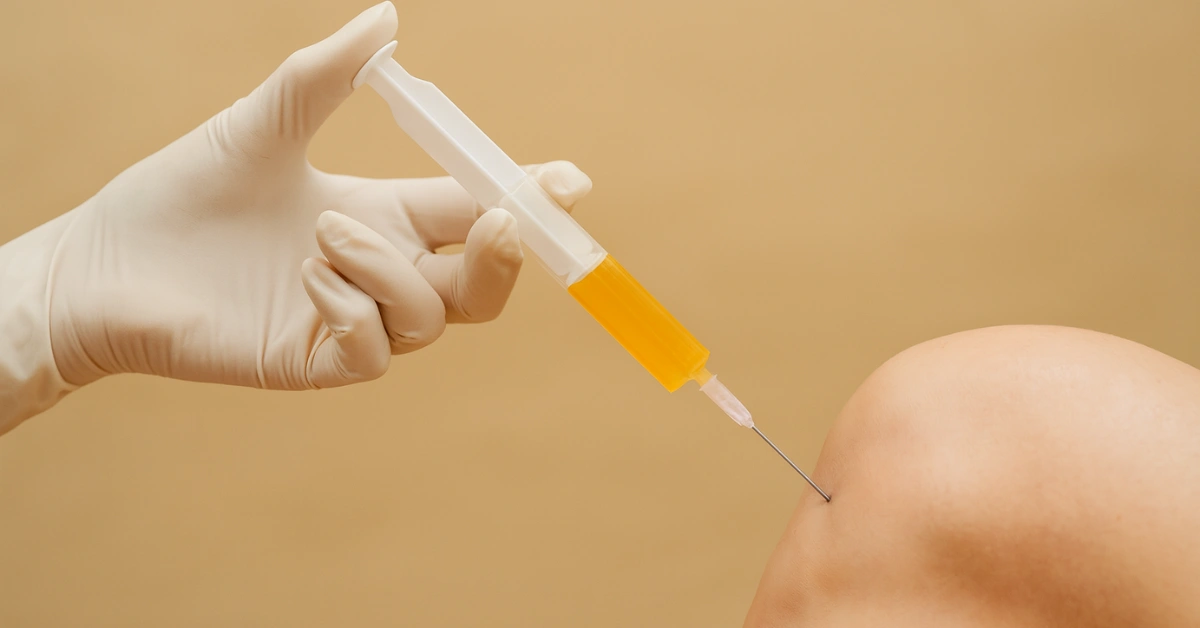
PRP is generally considered safe because it uses the patient’s own blood, minimizing the risk of allergic reactions or infections. However, minor side effects such as pain, swelling, or bruising at the injection site can occur. Rarely, improper injection technique may cause complications. Overall, PRP is low-risk when performed by trained professionals in a controlled setting.

PRP can be effective for certain joint conditions, particularly mild to moderate osteoarthritis and tendon injuries. Studies show it may reduce pain and improve function by stimulating tissue healing. Results vary depending on patient age, severity of joint damage, and injection protocol. While not a cure, PRP can be a helpful adjunct to physical therapy and conservative treatments.

Book an Appointment