Stem Cell Cartilage Transplant

Stem cell cartilage transplant restores damaged joints by regenerating tissue, reducing pain, improving mobility.
Stem Cell Cartilage Transplant

99.8%

Safety Rate

0 +
Years of Experience
0 +
Expert Doctors
0 %

Safety Rate

0 /7
Emergency Care

Stem Cell Cartilage Transplant Services

Comprehensive Stem Cell Cartilage Transplant care with advanced monitoring and safety protocols

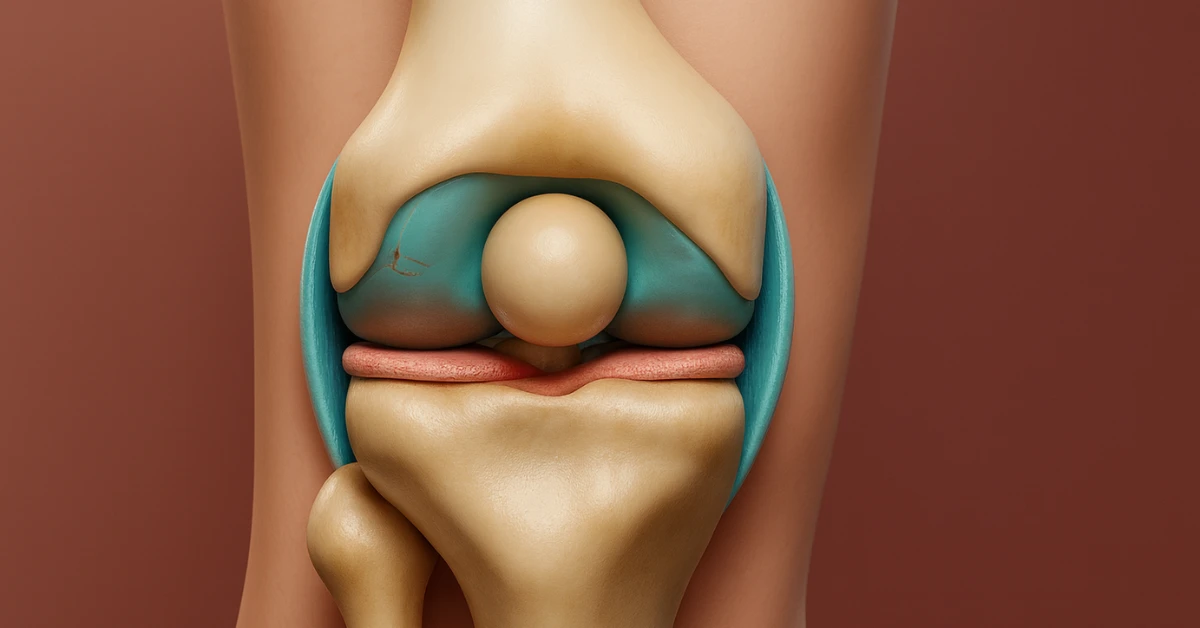
Cartilage damage in major joints like the knee, hip, ankle, or shoulder can cause persistent pain, stiffness, and reduced mobility. Since cartilage does not have its own blood supply, it has very limited natural healing capacity. Traditional treatments may relieve symptoms but often cannot regenerate healthy cartilage. Stem Cell Cartilage Transplant in Chennai has emerged as an innovative procedure that uses the patient’s own cells to repair damaged cartilage, restore function, and prevent further joint deterioration. This regenerative approach offers new hope for individuals struggling with cartilage-related pain and disability.

Our Specialists

Meet our experienced team of anaesthesiologists dedicated to your safety and comfort

No data was found

Related Blogs

No data was found

Need Medical Assistance? Book an Appointment Now!

Our experienced anaesthesiologists are here to ensure your safety and comfort

Frequently Asked Questions

Common questions about Stem Cell Cartilage Transplant and our services

Stem cells have the potential to regenerate cartilage because they can differentiate into chondrocytes, the cells that make up cartilage. Experimental treatments and some clinical studies show promise in repairing small cartilage defects. However, full cartilage regeneration is still limited, and outcomes vary. Stem cell therapy is mostly considered for early-stage cartilage damage rather than severe arthritis.

  • Regeneration: Ability to repair damaged tissues, including cartilage, bone, and muscle.

  • Reduced Inflammation: Can modulate immune responses and reduce inflammation in injured areas.

  • Minimally Invasive: Often delivered through injections rather than major surgery.

  • Versatility: Can treat various conditions, from orthopedic injuries to blood disorders.

  • Potential for Personalized Therapy: Stem cells can be harvested from the patient, reducing rejection risks.

Stem cell transplants are typically needed for patients with blood or immune system disorders. Common conditions include leukemia, lymphoma, multiple myeloma, severe aplastic anemia, and certain genetic blood disorders. They may also be considered for patients whose bone marrow has been damaged by chemotherapy or radiation. Transplants help restore healthy blood and immune system function.

Book an Appointment