Hemiarthroplasty is a widely performed orthopedic procedure that focuses on restoring hip function by replacing the damaged femoral head while preserving the natural socket. It is commonly recommended for individuals suffering from hip fractures, particularly in older adults, or those with localized joint damage that does not require a full hip replacement. By addressing the root cause of pain and instability, this surgery helps patients regain mobility, reduce discomfort, and return to daily life with improved confidence and independence.
What is Hemiarthroplasty?
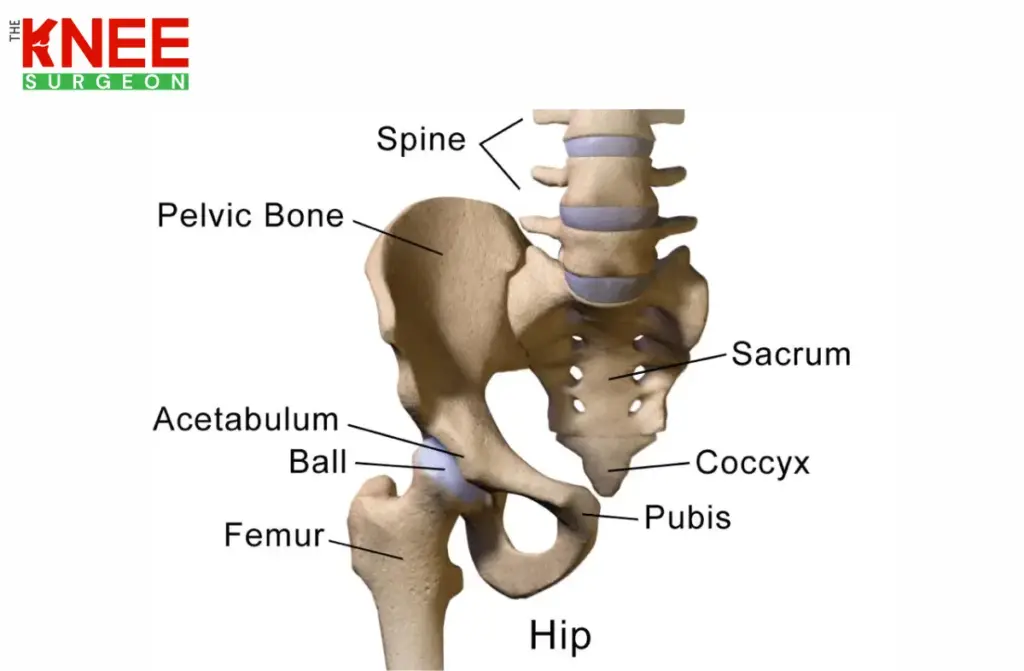
- Hemiarthroplasty is a partial hip replacement procedure in which only the ball portion of the hip joint is replaced with a prosthetic implant. The hip is formed by the rounded head of the femur fitting securely into the socket of the pelvis, known as the acetabulum. In this surgery, only the femoral head is replaced, leaving the socket untouched if it is still healthy.
- This approach is less invasive than total hip replacement and is particularly beneficial when damage is limited to one part of the joint. It allows for quicker surgical time, reduced blood loss, and a faster recovery period. The goal is to restore joint stability, eliminate pain, and enable smooth movement without compromising the natural anatomy of the hip.
Why is Hemiarthroplasty Needed?
Hemiarthroplasty is typically recommended when conservative treatments such as medications, physical therapy, or lifestyle modifications fail to provide relief. It is especially useful in emergency cases like hip fractures, where immediate surgical intervention is required.
Common Indications Include:
- Hip Fractures: Particularly femoral neck fractures that disrupt blood supply to the bone
- Osteoarthritis: When degeneration affects only the femoral head
- Avascular Necrosis: Loss of blood supply leading to bone tissue death
- Rheumatoid Arthritis: Localized joint inflammation causing damage
- Failed Previous Surgeries: When earlier treatments do not achieve desired outcomes
Choosing hemiarthroplasty in these situations helps preserve healthy bone while effectively addressing the damaged area.
Types of Hemiarthroplasty
- Unipolar Hemiarthroplasty: In unipolar hemiarthroplasty, the prosthetic head moves directly within the natural acetabulum. This design is simpler and is often used in elderly or less active patients. While effective, it may lead to gradual wear of the natural socket over time.
- Bipolar Hemiarthroplasty: Bipolar hemiarthroplasty includes a joint within the implant itself, allowing movement between the prosthetic components. This reduces friction on the natural socket and provides smoother motion. It is often preferred for patients who are relatively more active, as it enhances durability and comfort.
The Surgical Procedure Explained
Hemiarthroplasty follows a carefully planned surgical protocol to ensure optimal results and patient safety.
- Preoperative Evaluation: Before surgery, patients undergo detailed assessments including X-rays, blood tests, and cardiac evaluation. This helps determine overall fitness and allows surgeons to plan the procedure precisely.
- Anesthesia Administration: Depending on the case, either spinal or general anesthesia is used to ensure patient comfort during surgery. The choice depends on patient health, surgeon preference, and procedural requirements.
- Surgical Approach: An incision is made along the hip to access the joint. Surgeons may use anterior, posterior, or lateral approaches depending on the case and expertise.
- Removal of the Femoral Head: The damaged femoral head is carefully removed while preserving surrounding muscles and tissues to maintain joint stability.
- Implant Insertion: A prosthetic stem is inserted into the femur, and a metal or ceramic head is attached. The implant may be fixed using bone cement or designed to allow natural bone growth for stability.
- Closure and Recovery Initiation: The incision is closed with sutures or staples, and the patient is shifted to recovery for monitoring. Early mobilization begins shortly after surgery.
Benefits of Hemiarthroplasty
Hemiarthroplasty offers multiple advantages that make it a preferred surgical option in suitable cases.
- Shorter Surgical Duration: Less complex than total hip replacement
- Faster Recovery: Patients regain mobility sooner
- Lower Risk Profile: Reduced chances of complications
- Bone Preservation: Healthy joint structures remain intact
- Effective Pain Relief: Eliminates chronic hip pain
- Improved Independence: Enhances ability to perform daily activities
These benefits are especially valuable for elderly patients who require quick recovery and minimal surgical stress.
Risks and Potential Complications
Although hemiarthroplasty is generally safe, certain risks may arise, particularly if post-operative care is not followed properly.
Possible Complications Include:
- Infection: At the surgical site or deeper tissues
- Blood Clots: Especially in the legs (deep vein thrombosis)
- Dislocation: Movement of the implant out of position
- Implant Loosening: Over time due to wear or stress
- Nerve Injury: Rare but possible during surgery
Serious complications are uncommon and can usually be controlled with timely medical attention.Treatment significantly improves outcomes.
Recovery and Rehabilitation After Knee Replacement
Recovery after knee replacement surgery is a gradual and structured process aimed at restoring mobility, strength, and independence. Each phase plays a vital role in ensuring long-term success.
- Immediate Post-Surgery Phase: The first 24 to 48 hours after surgery are crucial. Patients are usually encouraged to sit, stand, and begin walking with support on the same day or the next day. Early movement helps improve blood circulation, reducing the risk of complications such as blood clots and joint stiffness. Pain management, wound care, and monitoring vital signs are key priorities during this stage. Doctors may also recommend simple ankle and leg exercises to promote circulation and prevent swelling.
- Physical Therapy and Exercise: Physical therapy is the foundation of successful recovery. A personalized rehabilitation plan is designed based on the patient’s age, strength, and overall health. Initially, exercises focus on gentle movements to improve flexibility and range of motion. Gradually, strengthening exercises are introduced to support the muscles around the knee, especially the quadriceps and hamstrings. Balance and coordination training help restore normal walking patterns. Regular therapy sessions, combined with home exercises, significantly improve joint function and reduce recovery time.
- Home-Based Care: Once discharged, patients must continue their recovery at home with proper precautions. Using assistive devices such as walkers or canes helps prevent falls. It is important to keep the living space safe by removing obstacles and avoiding slippery surfaces. Maintaining proper posture while sitting, standing, and sleeping reduces strain on the new joint. Following medication schedules, caring for the surgical wound, and attending follow-up appointments are essential for smooth recovery. A healthy diet and adequate hydration also support healing.
- Long-Term Healing: Full recovery typically takes 8 to 12 weeks, although it may vary depending on individual health and activity levels. Some patients continue to improve for several months. Consistency in rehabilitation, maintaining a healthy weight, and staying physically active are key to long-term success. Over time, most patients regain significant mobility, reduced pain, and an improved quality of life.
Lifestyle After Hemiarthroplasty
After undergoing hemiarthroplasty, adopting a healthy and mindful lifestyle is essential for long-term success. Proper care, regular activity, and medical follow-up help maintain joint function and improve overall quality of life.
- Daily Activities: Most patients gradually return to routine activities within a few weeks after surgery. Walking is usually encouraged early, often with the support of a walker or cane initially. As strength and balance improve, patients can perform daily tasks such as climbing stairs, dressing, and light household work. However, it is important to avoid sudden twisting movements, bending too low, or sitting in awkward positions that may strain the hip joint. Following proper movement techniques recommended by your doctor or physiotherapist helps prevent complications.
- Exercise and Fitness: Regular physical activity is key to maintaining mobility and joint health. Low-impact exercises are highly recommended as they improve flexibility, muscle strength, and circulation without putting excessive stress on the implant. Activities like walking, swimming, and cycling help improve fitness without stressing the joints. Structured physiotherapy exercises also help restore balance and coordination. High-impact sports, running, or heavy lifting should generally be avoided unless approved by your doctor, as they may increase wear on the implant.
- Nutrition for Recovery: A well-balanced, nutrient-rich diet plays a crucial role in healing and recovery. Foods rich in calcium and vitamin D support bone strength, while protein aids in muscle repair and tissue healing. Including fresh fruits, vegetables, whole grains, and lean proteins helps boost immunity and overall recovery. Staying hydrated is equally important to support bodily functions and prevent complications.
- Weight Control: Maintaining a healthy body weight is essential after hemiarthroplasty. Excess weight puts additional pressure on the hip joint, which can lead to faster wear of the implant and discomfort. A combination of proper diet and regular exercise helps in weight management and enhances long-term outcomes.
- Regular Medical Check-Ups: Routine follow-up visits with your doctor are important to monitor healing and ensure the implant remains stable and functional. These check-ups help detect any early signs of complications and allow timely intervention, ensuring a smooth and lasting recovery.
Who is the Ideal Candidate?
Hemiarthroplasty is suitable for patients who meet specific clinical criteria.
- Older adults with hip fractures
- Patients with limited joint damage
- Individuals with lower activity demands
- Those who may not tolerate longer surgeries
A thorough evaluation helps determine whether hemiarthroplasty is the most effective treatment option.
Long-Term Outcomes and Success Rate
- Hemiarthroplasty has a high success rate, particularly when performed in appropriate candidates. Most patients experience significant improvement in pain levels and mobility. The longevity of the implant depends on factors such as patient activity, overall health, and adherence to post-operative care.
- Advancements in surgical techniques and implant materials have further improved outcomes, making this procedure a reliable choice for hip joint restoration.
Conclusion
Hemiarthroplasty is a proven and effective solution for treating hip joint damage, particularly in cases of fractures and localized degeneration. By replacing only the affected portion of the joint, it offers a balance between surgical efficiency and functional recovery. With proper medical care, rehabilitation, and lifestyle adjustments, patients can achieve lasting pain relief and improved mobility. Understanding the procedure and following post-operative guidelines ensures a smoother recovery journey and a better quality of life.
Read More: Best Knee Replacement Implant.