As we age, our knees often reflect years of movement—from daily walks to routine household activities. For many seniors, stiffness, aching, or swelling can gradually become part of everyday life. However, this discomfort doesn’t have to be permanent. If you’re dealing with knee pain in old age or even experiencing pain after knee replacement surgery, you’re not alone. These issues can arise due to natural wear and tear, arthritis, previous injuries, or post-surgical recovery challenges. In this guide, we’ll explore the common causes and symptoms, along with the best medicine for knee pain in old age, and practical lifestyle changes and exercises that can help improve mobility and make your later years more comfortable and active.
What are the Common Types of Knee Pain in the Elderly?
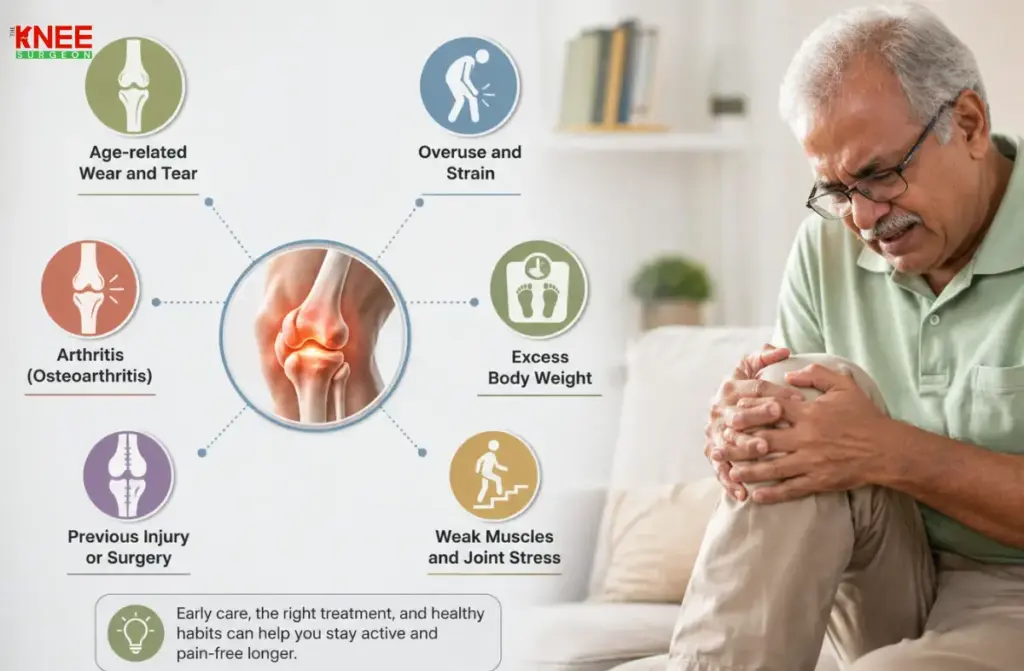
Knee pain in older adults can arise from several conditions, including:
- Osteoarthritis: The most common cause of knee pain in old age, where cartilage wears down, leading to friction and stiffness.
- Rheumatoid Arthritis: A chronic autoimmune condition causing inflammation and joint damage.
- Post-Traumatic Arthritis: Pain and stiffness from old injuries or fractures.
- Tendonitis and Bursitis: Inflammation of tendons or fluid sacs around the knee.
- Degenerative Joint Disease: Progressive weakening of cartilage over time.
Understanding the exact cause helps doctors recommend the best medicine for knee pain in old age tailored to your needs.
What are the Symptoms of Knee Pain in Old Age?
Common symptoms may include:
- Stiffness after resting or waking up
- Swelling or warmth around the joint
- Clicking or grinding sensations
- Pain during walking or climbing stairs
- Difficulty bending or straightening the leg
If these symptoms persist, it’s important to consult a specialist to determine whether natural remedies for knee pain in old age or medical treatment is right for you.
What is the best medication for knee pain?
The best medication for knee pain depends on the cause and severity of the pain, as well as overall health. Common options include:
Managing knee pain in old age requires a balanced approach that combines safe medications, supportive therapies, and lifestyle adjustments. The right treatment depends on the severity of pain, underlying conditions like osteoarthritis, and overall health. Below is a medically guided overview of the best medicine for knee pain in old age, along with supportive and natural options for long-term relief.
Over-the-Counter (OTC) Medicines:
For mild to moderate discomfort, OTC medicines are often the first line of treatment.
- Paracetamol: Commonly recommended for mild pain relief. It is generally safe for older adults when taken within prescribed limits.
- Ibuprofen: A non-steroidal anti-inflammatory drug (NSAID) that reduces both pain and inflammation.
- Naproxen: Provides longer-lasting relief compared to ibuprofen and is effective for inflammatory conditions.
These medications can be helpful as a best medicine for knee pain in old age in early stages, but prolonged use should be monitored to avoid side effects like gastric irritation or kidney issues.
Topical Medications:
Topical treatments are applied directly to the knee and are often preferred due to fewer systemic side effects.
- Pain relief gels: Provide temporary relief by improving blood circulation.
- Diclofenac gel: A widely used topical NSAID that targets inflammation locally.
- Capsaicin cream: Derived from chili peppers, it reduces pain signals when used regularly.
These are especially useful for seniors who cannot tolerate oral medications.
Prescription Medicines:
For persistent or severe knee pain in old age, doctors may prescribe stronger treatments:
- Strong NSAIDs: Used under medical supervision for significant inflammation.
- Corticosteroids: Injected directly into the knee joint to reduce swelling and pain.
- Hyaluronic acid injections: Help lubricate the joint, improving mobility and reducing stiffness.
These treatments are typically recommended when initial, non-invasive methods fail to deliver sufficient relief.
Supplements (Optional Support):
Certain supplements may support joint health over time:
- Glucosamine and Chondroitin: Commonly used for cartilage support.
- Calcium and Vitamin D: Essential for bone strength and preventing degeneration.
While not a direct best medicine for knee pain in old age, these can complement other treatments when recommended by a healthcare professional.
Non-Medical Treatments for Knee Pain
Medications alone are not enough for lasting relief. Combining them with non-medical therapies improves outcomes significantly.
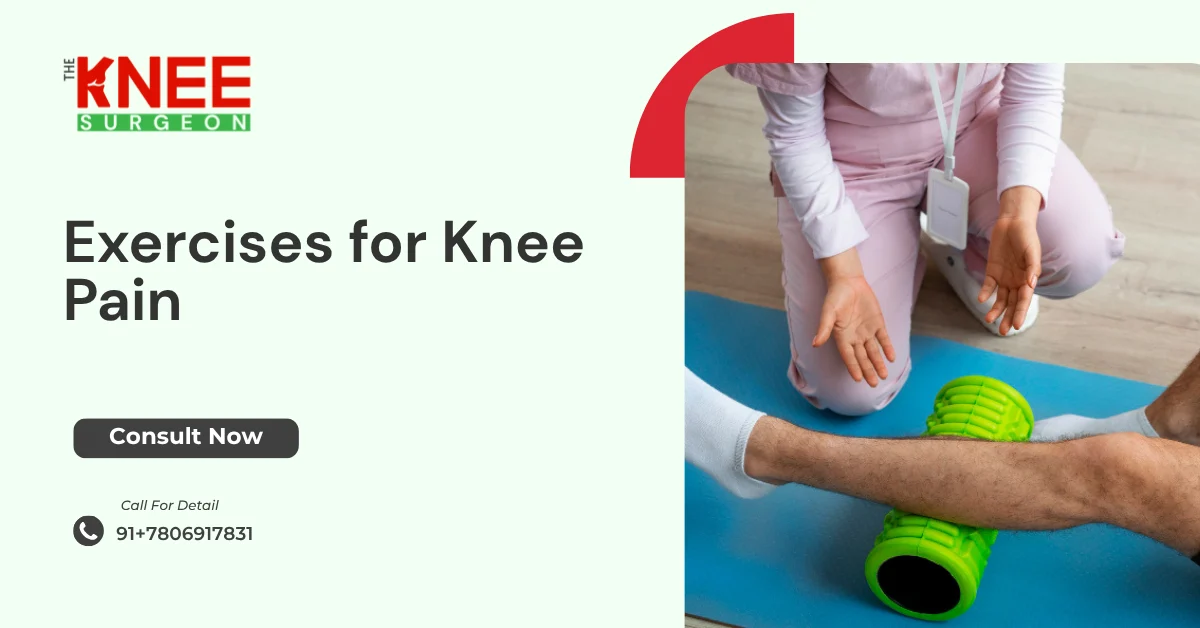
- Exercise Therapy: Regular exercise for knee pain in old age helps strengthen muscles around the joint, improving stability and reducing stress on the knee. Low-impact activities like walking, cycling, and physiotherapy-guided exercises are highly effective.
- Weight Management: Excess weight puts additional pressure on knee joints. Even a small reduction in weight can significantly decrease pain and improve mobility.
- Heat and Cold Therapy
- Cold packs reduce swelling and inflammation
- Heat therapy relaxes muscles and improves blood flow
- Alternating between the two can provide effective symptom relief.
- Lifestyle Changes: Simple modifications such as using supportive footwear, avoiding prolonged standing, and maintaining proper posture can prevent further joint damage.
Home Remedies and Natural Treatment Options
Many seniors prefer natural remedies for knee pain in old age as part of their daily routine. While these may not replace medical treatment, they can provide supportive relief.
- Turmeric: Known for its anti-inflammatory properties, often consumed with warm milk.
- Ginger: Helps reduce pain and stiffness due to its natural anti-inflammatory effects.
- Yoga and Tai Chi: Gentle movements improve flexibility, balance, and joint function.
- Diet changes: Including anti-inflammatory foods like leafy greens, nuts, and omega-3-rich foods supports joint health.
These approaches work best when combined with medical guidance and consistent care.
Important: Always consult a doctor before starting any medication, as interactions, dosage, and underlying conditions can affect safety and effectiveness.
What Causes Knee Pain in Your 50s?
In your 50s, the body undergoes natural wear and hormonal changes that affect joint health. Common causes include:
- Gradual cartilage deterioration
- Weight gain adding stress to joints
- Previous knee injuries resurfacing
- Muscle weakness and poor flexibility
- Sedentary lifestyle and lack of movement
Starting exercise for knee pain in old age, such as swimming or cycling, helps maintain joint strength and delay further degeneration.
What Risk Factors Cause Knee Pain in Old Age?
Certain factors increase the risk of developing knee pain:
- Aging and natural joint wear
- Excess body weight
- Weak leg muscles
- Family history of arthritis
- Inactive lifestyle
Combining mild exercise for knee pain in old age with the best medicine for knee pain in old age and good nutrition can effectively manage symptoms and prevent further deterioration.
How Can Knee Pain Be Prevented in Later Years?
- Engage in regular low-impact exercise for knee pain in old age such as walking or swimming.
- Maintain an ideal weight to reduce joint pressure.
- Wear supportive shoes for proper alignment.
- Use warm compresses during winter to keep joints flexible.
- Eat a diet rich in omega-3 fatty acids, calcium, and vitamin D.
- Avoid sitting or standing for long periods without movement.
These preventive habits complement the best medicine for knee pain in old age, promoting mobility and long-term joint health.
Results
With timely care and the best medicine for knee pain in old age, most people experience noticeable relief within weeks. Combined with light exercise, proper nutrition, and regular medical checkups, seniors can regain independence and enjoy a pain-free lifestyle. Remember knee pain in old age is common, but not permanent. With the right balance of natural remedies, professional care, and consistent movement, your knees can stay strong and supportive well into your later years.
Read also: Stress Fracture of the Shin.