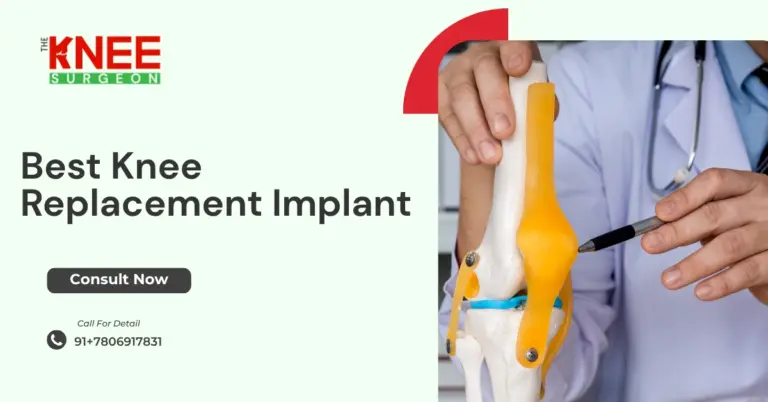
The best knee replacement implant is one that suits a patient’s specific condition, lifestyle, and bone structure rather than a single universal option. Modern implants are made from durable materials like metal alloys and medical-grade plastic, designed to reduce pain and restore smooth joint movement. With different types available, such as fixed or mobile designs, the right choice depends on factors like age, activity level, and the surgeon’s expertise. Overall, a well-chosen implant helps improve mobility, provides long-term relief, and enhances quality of life.
Understanding Knee Replacement Implants
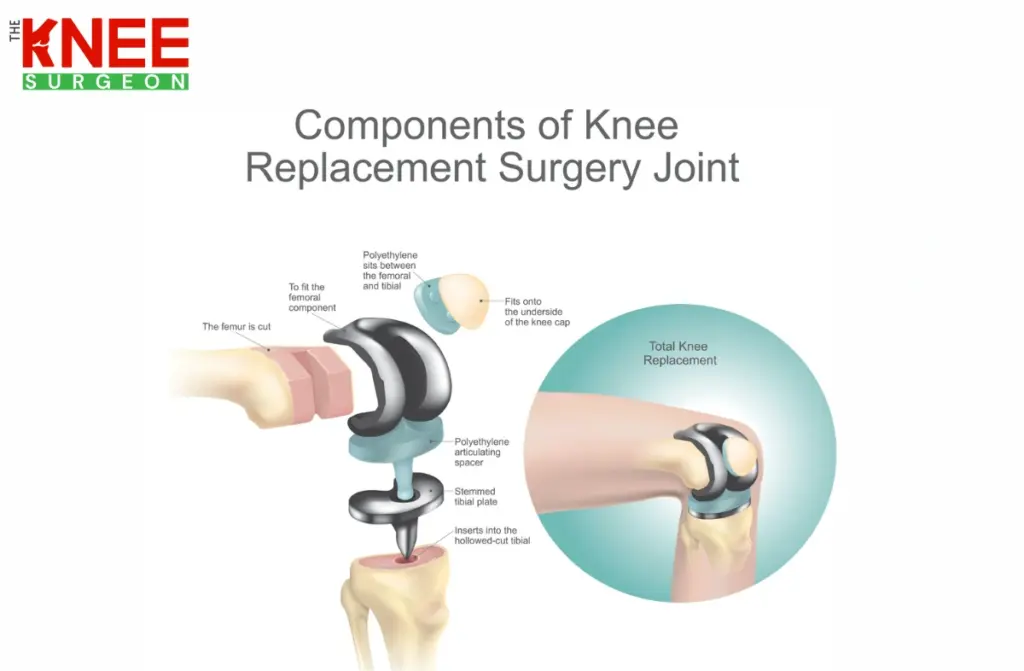
- A knee replacement implant is an artificial device designed to replace damaged or worn-out parts of the knee joint. It typically consists of metal components attached to the thigh bone (femur) and shin bone (tibia), along with a plastic spacer that allows smooth movement. These implants are engineered to mimic the natural motion of the knee, reduce pain, and improve overall function.
- While all implants aim to achieve similar outcomes, they differ in materials, design, fixation methods, and flexibility. These differences influence how the implant performs over time and how well it integrates with your body.
Is There a Single “Best” Knee Replacement Implant?
- There is no universal implant that is ideal for everyone. Each patient has unique anatomical features, activity levels, and health conditions. The effectiveness of an implant depends on how well it matches these individual factors.
- For example, a younger, active person may need an implant that supports a greater range of motion and durability, while an older individual with lower activity levels may benefit from a more stable and simpler design. The surgeon’s familiarity and experience with a particular implant also play a critical role in achieving successful outcomes.
- Rather than focusing on finding the “best” implant overall, the goal should be identifying the most suitable implant for your specific needs.
Key Factors to Consider When Choosing an Implant
- Range of Motion: The ability to bend and straighten the knee comfortably is essential for daily activities such as walking, sitting, and climbing stairs. Some implants are designed to allow high flexion, making them suitable for individuals who require greater mobility.
- Durability and Longevity: Modern knee implants are designed to last 15 to 25 years or more. Longevity depends on the materials used, the patient’s activity level, and how well the implant is positioned during surgery.
- Stability: Stability is influenced by both the implant design and the condition of the surrounding ligaments. Certain implants provide additional support if natural ligaments are weak or damaged.
- Activity Level: Your lifestyle plays a significant role in implant selection. Active individuals may need implants that can handle higher stress and movement, while less active patients may prioritize comfort and stability.
- Custom Fit and Alignment: Proper alignment is crucial for the success of the implant. Custom or patient-specific implants are designed based on imaging scans, ensuring a better fit and improved performance.
Materials Used in Knee Implants
Knee implants are made from biocompatible materials that are strong, durable, and safe for long-term use inside the body. These materials are carefully chosen to minimize wear and reduce the risk of rejection.
Commonly Used Materials
- Titanium Alloys: Lightweight and corrosion-resistant, often used for the tibial component
- Cobalt-Chromium Alloys: Highly durable and commonly used for femoral components
- Ceramics: Provide smooth movement and reduce friction
- Polyethylene (Plastic): Acts as a cushion between metal parts
Advanced materials, such as oxidized zirconium and vitamin E-infused polyethylene, have further improved the durability and performance of implants.
Types of Knee Replacement Implants
- Fixed-Bearing Implants: These are the most commonly used implants. The plastic insert is fixed to the metal component, providing stability and reliability. They are typically recommended for older patients or those with lower activity levels.
- Mobile-Bearing Implants: These implants allow slight rotation of the plastic insert, offering increased flexibility and a more natural range of motion. They are often suitable for younger, more active individuals but require strong supporting ligaments.
Implant Design Variations
- Cruciate-Retaining Implants: These implants preserve the posterior cruciate ligament, allowing more natural knee movement and better proprioception.
- Posterior-Stabilized Implants: Designed to replace the function of the posterior cruciate ligament, these implants use a cam-and-post mechanism to ensure stability.
- Hinged Implants: Used in complex cases, hinged implants connect the femoral and tibial components, providing maximum stability when ligaments are severely damaged.
- Cemented Implants: These are fixed to the bone using special bone cement, providing immediate stability. They are commonly used in older patients.
- Cementless Implants: These implants have a porous surface that encourages bone growth, allowing natural fixation over time. They are often recommended for younger patients with strong bone quality.
Custom vs Standard Implants
- Custom implants are designed using advanced imaging techniques such as MRI or CT scans. They are tailored to match the patient’s unique anatomy, which can improve alignment and reduce complications.
- Standard implants, on the other hand, come in various sizes and have been widely used for many years with excellent success rates. Both options are effective, and the choice depends on patient needs and surgeon preference.
Latest Advancements in Knee Replacement Technology
- Robotic-Assisted Surgery: Robotic systems help surgeons achieve precise alignment and positioning of implants. This technology enhances accuracy and may lead to faster recovery.
- Smart Implants: These implants are equipped with sensors that provide real-time data on joint movement and performance, helping monitor recovery and detect potential issues early.
- 3D Printing Technology: 3D printing allows for the creation of highly customized implants that fit the patient’s anatomy perfectly, improving comfort and functionality.
- Advanced Bearing Surfaces: Newer polyethylene materials with antioxidant properties reduce wear and extend the lifespan of the implant.
What Research Indicates
- Research shows that most modern implants perform well when properly selected and placed. Some studies suggest that cruciate-retaining implants may have better long-term durability, while others show no significant difference in patient satisfaction between different materials.
- Custom implants may reduce complication rates in certain cases, but standard implants continue to deliver excellent outcomes for the majority of patients. These findings emphasize that the success of knee replacement depends more on proper selection and surgical technique than on the specific implant type.
Guidelines for Making the Right Choice
When selecting a knee implant, consider the following guidelines:
- Choose a surgeon with extensive experience in knee replacement procedures
- Discuss all available implant options and their benefits
- Consider your lifestyle and long-term activity goals
- Evaluate the condition of your bones and ligaments
- Prefer implants with proven clinical performance and long-term data
A collaborative approach between you and your surgeon ensures the best possible outcome.
Partial vs Total Knee Replacement Implants
Partial Knee Replacement
- Partial knee replacement, also known as unicompartmental knee replacement, involves replacing only the damaged portion of the knee joint while preserving the healthy bone, cartilage, and ligaments. The knee has three compartments, and this procedure is suitable when arthritis or damage is limited to just one area. Because it is less invasive, it requires smaller incisions and minimal bone removal, leading to less pain after surgery and faster recovery. Patients often regain movement quickly and experience a more natural knee feel compared to total replacement.
- This option is ideal for patients with stable ligaments and localized joint damage. However, it may not be suitable if arthritis affects multiple compartments. In some cases, the condition may progress over time, and a total knee replacement might be required later. Proper evaluation and imaging are essential to determine eligibility and ensure long-term success.
Total Knee Replacement
- Total knee replacement involves replacing the entire knee joint, including all damaged compartments. The surgeon removes the worn-out cartilage and bone surfaces and replaces them with artificial components made of metal and plastic. This procedure is recommended for patients with advanced arthritis, severe pain, stiffness, or deformity affecting the whole knee.
- Although recovery may take longer compared to partial replacement, total knee replacement provides comprehensive pain relief and improved joint function. It is considered a long-term solution, with modern implants designed to last many years. Physical therapy plays a key role in regaining strength and mobility. While the knee may not feel exactly natural, most patients experience significant improvement in daily activities and overall quality of life.
Role of the Surgeon in Implant Selection
- The surgeon plays a critical role in determining the most suitable implant. They evaluate multiple factors, including medical history, imaging results, bone quality, and lifestyle needs.
- An experienced surgeon will also consider their familiarity with specific implant systems, as proper handling and placement significantly impact the success of the surgery.
Risks and Considerations
Although knee replacement surgery has a high success rate, understanding potential risks helps ensure better preparation and long-term outcomes. Most complications are rare and manageable with proper care.
- Implant Wear Over Time: Knee implants are durable but not permanent. Over years of use, the polyethylene (plastic) component may gradually wear due to friction between moving parts. This process depends on activity level, body weight, and implant quality. High-impact activities can speed up wear, leading to pain or reduced movement. Modern materials like advanced polyethylene have improved durability, but long-term monitoring remains important.
- Loosening of the Implant: Implant loosening occurs when the bond between the implant and bone weakens. It can result from wear particles, bone changes, or long-term stress. Symptoms may include pain, instability, or difficulty walking. Cemented implants may loosen over time, while cementless implants rely on bone growth for stability. Early detection through follow-ups helps prevent complications.
- Infection or Stiffness: Infection is rare but serious. It may occur soon after surgery or later through bloodstream spread. Symptoms include swelling, redness, fever, or discharge. Treatment may require antibiotics or further procedures. Stiffness is more common and usually results from limited movement after surgery. Regular physiotherapy and early mobilization help restore flexibility and prevent long-term restriction.
- Rare Implant Failure or Recall: Implant failure or recalls are uncommon but possible. Causes include defects, improper alignment, or excessive wear. Signs may include sudden pain, instability, or reduced mobility. Most implants perform safely, but awareness helps in early identification and treatment.
- Importance of Regular Follow-Up: Routine follow-ups help monitor implant health, detect early issues, and ensure long-term success. Timely evaluation and care significantly improve implant lifespan and overall knee function.
Key Takeaways
- There is no single best knee replacement implant for everyone
- The right implant depends on individual anatomy and lifestyle
- Advanced materials and technology have improved outcomes significantly
- Surgeon expertise is a key factor in success
- Long-term durability and proper alignment are essential
Conclusion
Choosing the best knee replacement implant is a personalized decision that depends on multiple factors, including anatomy, lifestyle, and medical condition. With advancements in technology and materials, patients today have access to highly effective and long-lasting solutions. By working closely with an experienced surgeon and understanding your options, you can ensure a successful outcome that restores mobility, reduces pain, and improves overall quality of life.
Read More: Hemiarthroplasty.