Knee Replacement

Expert insights on knee replacement surgery in Chennai, covering procedures, recovery, advanced techniques, and choosing the right orthopedic center.
Knee Replacement

99.8%

Safety Rate

0 +
Years of Experience
0 +
Dedicated Service
0 K+
Surgeries
0 K+
Happy Patients

Knee Replacement Services

Comprehensive Knee Replacement care with advanced monitoring and safety protocols

You’ve been limping through life for too long. The stairs that once seemed effortless now feel like a mountain. The morning stiffness that used to fade by noon now stays well into the afternoon. And somewhere along the way, you stopped doing the things you love — walking in the park, playing with your grandchildren, or simply standing long enough to cook a meal.

If this resonates with you, you are not alone. Millions of people across India live with chronic knee pain that silently steals their independence. But here is the truth: you do not have to keep living this way.

Knee replacement surgery in Chennai has helped thousands of patients reclaim their mobility, their comfort, and their joy. Whether you are exploring your options for the first time or are ready to take the next step, this guide will walk you through everything you need to know — from the first signs that surgery may be necessary, to what recovery actually looks like in real life.

Who Needs Knee Replacement?

Not everyone with knee pain requires surgery. However, knee replacement surgery in Chennai is recommended for patients experiencing:

  • Severe and persistent knee pain
  • Difficulty walking, standing, or climbing stairs
  • Knee stiffness or reduced range of motion
  • Swelling that does not improve with treatment
  • Advanced osteoarthritis or joint degeneration
  • Failure of non-surgical treatments like medications or injections

Patients aged 50+ are the most common candidates, but younger individuals with severe joint damage may also benefit from total knee replacement surgery in Chennai.
Knee Replacement

Types of Knee Replacement

Total Knee Replacement (TKR)

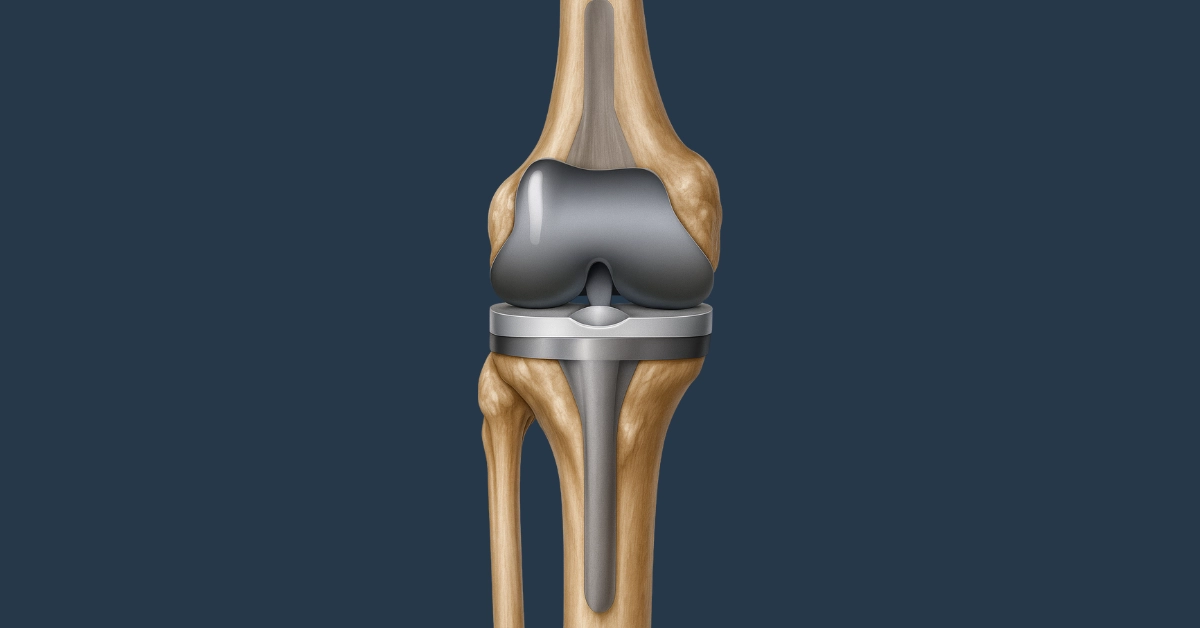
The most commonly performed knee replacement procedure. In a TKR, the entire surface of the knee joint — the bottom of the thighbone, the top of the shinbone, and the back of the kneecap — is replaced with implant components. This is the gold standard for severe, widespread arthritis affecting the full knee joint.

Partial Knee Replacement (PKR)

When arthritis is confined to only one section of the knee (most commonly the inner side), a partial replacement may be performed. This approach preserves more of the natural joint tissue, results in a smaller incision, and typically allows for a faster recovery. However, it is only appropriate for a select group of patients.

Bilateral Knee Replacement

For patients whose both knees are severely affected, a bilateral replacement — replacing both knees during the same surgical session — may be recommended. This eliminates the need for two separate surgeries and recovery periods, though it does require a longer operating time and involves more careful pre-operative planning.

Revision Knee Replacement

When a previously implanted knee prosthesis wears out, loosens, becomes infected, or fails to relieve pain, a revision surgery is required. This is a more complex procedure that involves removing the old implant and replacing it with a new one — often requiring specialised components and considerable surgical expertise.

Minimally Invasive Knee Replacement

A technique that uses smaller incisions and modified instruments to reduce trauma to the surrounding tissues. While it is not suitable for every patient, minimally invasive approaches can result in less blood loss, shorter hospital stays, and quicker initial recovery for appropriate candidates.

Robotic-Assisted Knee Replacement

The most technologically advanced form of knee replacement available today. Using a robotic system, the surgeon plans and executes the procedure with sub-millimetre precision. This approach is becoming increasingly popular in Chennai and across India for the improved accuracy and outcomes it consistently delivers.

Benefits of Robotic Knee Replacement

  • Personalized Surgical Planning: Before a robotic-assisted procedure begins, the surgical team creates a digital 3D model of your specific knee based on CT or MRI scans. This is not a generic plan — it is designed entirely around your anatomy. The implant size, placement angle, and bone cuts are all calculated precisely before the surgeon makes a single incision.
  • Improved Implant Positioning: The robotic arm does not replace the surgeon — it works alongside them, providing real-time feedback and limiting movement outside the pre-planned boundaries. This means the implant ends up exactly where it needs to be, not just approximately where it needs to be.
  • Reduced Soft Tissue Damage: Greater precision in bone cutting means less collateral damage to the muscles, cartilage, and ligaments surrounding the knee. This preserves the natural integrity of the joint environment and contributes to a more natural-feeling knee after recovery.
  • Faster Recovery and Mobility: With less surgical trauma and better implant alignment, the body heals faster. Many patients experience significantly less swelling in the early post-operative period and are able to bear full weight on the operated knee within 24 to 48 hours.
  • Lower Risk of Complications: Malaligned implants are one of the leading causes of early revision surgery. By ensuring optimal alignment from the outset, robotic-assisted knee replacement substantially reduces the risk of implant failure, chronic pain, and the need for corrective procedures.
  • Enhanced Long-Term Outcomes: Multiple studies and clinical trials confirm that patients who receive robotic knee replacement report higher satisfaction scores, better functional outcomes, and more durable results over a 10 to 20-year follow-up period compared to those who had conventional surgery.

Robotic vs Traditional Knee Replacement

One of the most common questions patients ask is whether robotic-assisted surgery is genuinely better — or simply more expensive. The honest answer is: in many ways, yes. Here is how the two approaches compare.

Factor Robotic-assisted Traditional
Surgical precision & implant alignment Pre-operative 3D plan of the patient's unique anatomy; robotic arm ensures sub-millimetre accuracy during bone cuts and implant placement.

Higher precision

Manual instruments guided by the surgeon's experience; small deviations in alignment are possible and can affect long-term joint feel.
Incision size & tissue preservation Targeted bone preparation means less surrounding muscle, tendon, and ligament disruption; preserves natural joint environment.

Less tissue trauma

Conventional incision size; some additional tissue exposure needed for instrument access.
Blood loss & post-operative pain Reduced surgical trauma translates to measurably lower blood loss and reduced reliance on pain medication in the first days after surgery.

Less pain reported

Slightly higher blood loss is typical; post-operative pain management is more intensive in the early recovery period.
Recovery & rehabilitation time Patients typically walk sooner, leave hospital earlier, and hit rehabilitation milestones faster due to reduced inflammation and precise implant fit.

Faster recovery

Recovery is effective but generally takes longer; full mobility milestones are reached over a wider time range.
Long-term implant performance Correct alignment means even wear across the implant surface, significantly extending functional lifespan and reducing the need for revision surgery.

Longer-lasting

Well-performed traditional replacements last 15–20 years; slight misalignment can accelerate wear and shorten implant life.
Risk of complications Lower risk of malalignment-related complications; precise planning reduces chance of stiffness, uneven wear, and early revision.

Lower risk

Overall complication rates remain low in experienced hands, but malalignment is a recognised cause of early revision in some cases.
Cost in Chennai Rs. 3,50,000 – Rs. 6,00,000 approximately; higher upfront cost offset by fewer complications and longer implant lifespan.

Higher cost

Rs. 2,50,000 – Rs. 4,50,000 approximately; lower initial cost, though revision surgery adds expense if needed down the line.

Lower cost


There's the full side-by-side breakdown across all 7 key factors. A few things worth noting for the article context:

Robotic wins on precision, recovery speed, tissue preservation, complication risk, and long-term durability. Traditional surgery is the more affordable entry point, and in experienced hands still delivers excellent outcomes — it just carries a slightly higher margin of variability that compounds over time.

For patients in Chennai weighing the two, the robotic premium (roughly Rs. 1–1.5 lakh more) is essentially insurance against a revision surgery down the line — which costs far more in money, time, and discomfort. That framing tends to resonate well in patient consultations. 

Symptoms That Indicate the Knee Replacement

  • Persistent Knee Pain During Walking: Persistent knee pain while walking is one of the most common signs that a patient may require Knee replacement surgery in Chennai. Pain that continues even after rest, medications, or physiotherapy may indicate severe cartilage damage within the knee joint. Many patients with osteoarthritis experience discomfort during simple activities such as walking short distances or climbing stairs. Early orthopedic evaluation helps identify the severity of joint damage and determine the right treatment plan.
  • Difficulty Standing for Long Periods: When knee joints become severely worn out, standing for extended periods can become difficult and painful. Patients often feel weakness, instability, or pressure in the knees while performing daily activities. Total Knee Replacement surgery in Chennai may be recommended when knee pain starts affecting routine activities and overall quality of life.
  • Swelling and Inflammation in the Knee: Chronic swelling and inflammation are signs of ongoing joint degeneration. The knee may appear swollen, warm, or tender due to cartilage damage and inflammation inside the joint. Repeated swelling that does not improve with medication or rest may indicate advanced arthritis requiring specialized orthopedic care.
  • Knee Joint Stiffness: Joint stiffness, especially in the morning or after sitting for long periods, can limit knee movement and flexibility. Severe stiffness may make it difficult to bend or straighten the knee completely. Patients with advanced arthritis often notice reduced mobility that interferes with normal daily functions.
  • Reduced Range of Motion: A reduced range of motion in the knee joint may indicate progressive joint deterioration. Patients may struggle to sit cross-legged, climb stairs, or perform physical activities comfortably. Partial Knee Replacement surgery in Chennai may be considered in cases where damage is limited to a specific part of the knee joint.

Conditions Treated

Knee replacement in Chennai is used to treat several underlying conditions, all of which share one common feature: they destroy the cartilage and structural integrity of the knee joint.

  • Rheumatoid Arthritis: An autoimmune condition in which the body's immune system attacks the lining of the knee joint, causing chronic inflammation, pain, and eventual joint destruction. Rheumatoid arthritis can affect younger patients and may require earlier surgical intervention.
  • Post-Traumatic Arthritis: This form of arthritis develops after a significant knee injury — such as a fracture, ligament tear, or meniscus damage. Even if the original injury heals, the trauma can accelerate cartilage breakdown years later, eventually resulting in arthritis that resembles osteoarthritis in severity.
  • Degenerative Joint Disease: A broader category that encompasses the general breakdown of joint structures through aging and mechanical wear. As the body ages, joints naturally lose some of their resilience, but in some individuals this process happens faster and more severely, resulting in debilitating joint pain.
  • Severe Cartilage Damage: Cartilage damage that does not fall neatly into an arthritis category — such as from osteochondral defects or advanced chondromalacia — can also leave patients without enough cushioning in the knee to function comfortably. When cartilage loss is extensive, replacement becomes the most viable long-term solution.
  • Failed Previous Knee Procedures: Some patients arrive having already under gone a knee surgery — perhaps a partial replacement, a realignment procedure, or an arthroscopic repair — that has not delivered the hoped-for results. In these cases, a revision or full replacement may be the next appropriate step.
  • Osteoarthritis of the Knee: The most common reason people seek knee replacement. Osteoarthritis is a degenerative condition in which the cartilage cushioning the knee joint gradually wears away, leading to painful bone-on-bone contact. It typically affects people over the age of 50 and becomes progressively worse over time.

Step-by-Step Surgical Procedure

Understanding what happens during surgery can help reduce anxiety and help you prepare mentally and physically. Here is what the journey from assessment to recovery room looks like.

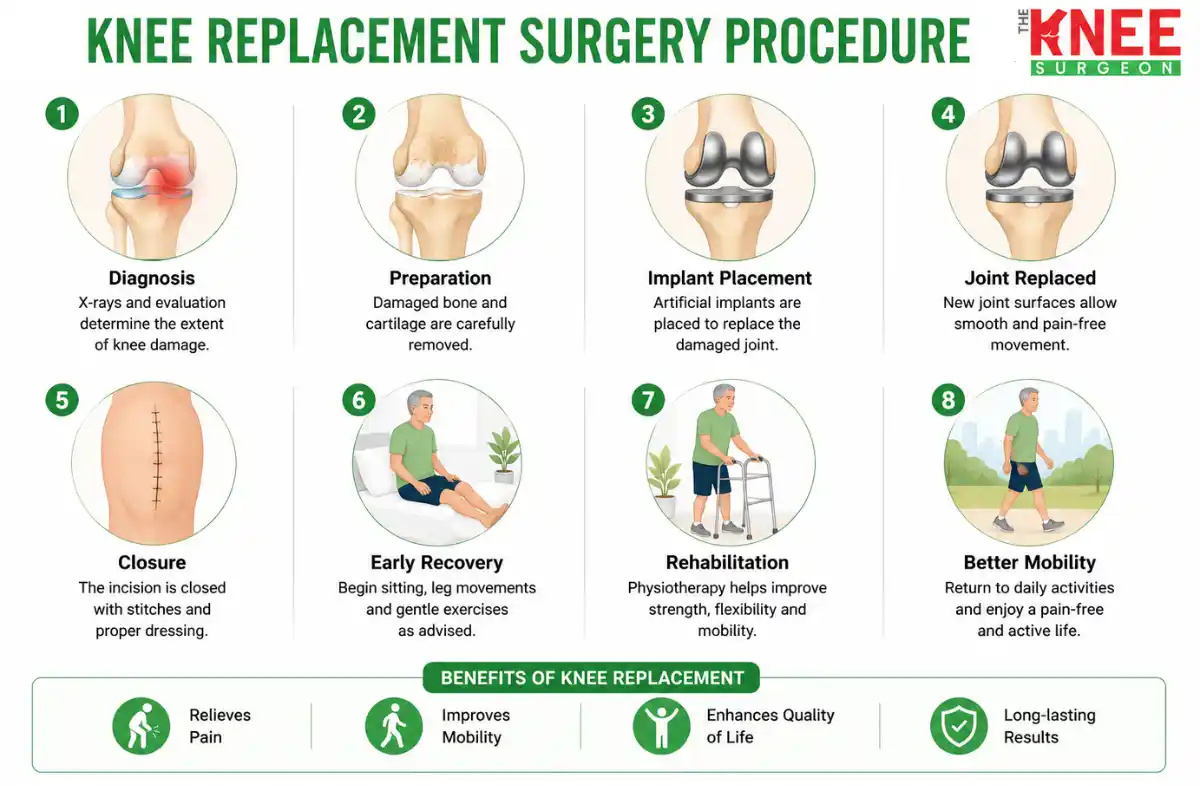
    • Initial Orthopaedic Assessment: Your first appointment with the surgeon involves a detailed review of your medical history, a physical examination of the knee, and a discussion of your symptoms, pain levels, and how they are affecting your daily life. This is also the time to ask any questions you have.
    • Diagnostic Imaging and Evaluation: X-rays are used to assess the degree of joint damage, alignment, and bone quality. In some cases, an MRI or CT scan may be ordered to obtain a more detailed picture of soft tissues and bone structure — particularly if robotic-assisted surgery is being planned.
    • Preoperative Planning: Once surgery is confirmed, the team will plan the procedure meticulously. Blood tests, cardiac evaluation, and other pre-admission tests are performed. For robotic surgery, a detailed digital surgical plan is created. You will receive instructions about fasting, medications to stop or continue, and what to expect on the day.
    • Anaesthesia Administration: Most knee replacements are performed under spinal anaesthesia, which numbs the body from the waist down while you remain awake. General anaesthesia is used in some cases. Your anaesthesiologist will discuss the best option for you based on your health profile.
    • Removal of Damaged Joint Surfaces: With precision guided by either manual instruments or robotic assistance, the surgeon carefully removes the damaged cartilage and bone surfaces from the end of the thighbone and the top of the shinbone. The kneecap surface may also be prepared if necessary.
    • Implant Placement and Alignment: The implant components are then positioned and fixed to the prepared bone surfaces. The surgeon tests the new joint through a full range of motion to confirm correct fit, stability, and alignment before closing.
    • Closure and Immediate Recovery Care: The incision is closed in layers and dressed. You are moved to the recovery room, where your vital signs are monitored. Pain management begins immediately. Within hours, a physiotherapist will encourage you to begin gentle movement — and often, your first assisted steps happen the same evening.

Advanced Technology

    • Robotic-Assisted Surgical Planning: Modern robotic technology has improved the precision and accuracy of Knee replacement procedures. Robotic-assisted systems help surgeons create personalized surgical plans based on the patient’s anatomy, ensuring better implant positioning and improved outcomes.
    • Computer Navigation in Joint Replacement: Computer navigation technology allows surgeons to perform highly accurate joint replacement procedures. This advanced system improves implant alignment and helps enhance the long-term success of Total Knee Replacement surgery in Chennai.
    • Modern Implant Technologies: Today’s knee implants are designed using advanced materials that improve durability, flexibility, and joint movement. Modern implants closely mimic natural knee function and provide long-lasting pain relief for patients.
    • Minimally Invasive Surgical Techniques: Minimally invasive techniques involve smaller incisions and reduced tissue damage during surgery. These techniques help minimize pain, reduce blood loss, and support faster recovery after knee replacement surgery in Chennai.

Recovery Timeline After Surgery

Recovery is not just a waiting game — it is an active process. Here is what to expect at each stage.

What to ExpectDuring the First 24 Hours

You will wake up from surgery with a dressing on your knee and a drain to remove excess fluid. Pain is actively managed with medications. A physiotherapist will visit on the day of surgery or the following morning to help you take your first steps with a walker. Most patients are surprised by how soon this happens.

Recovery During the First Two Weeks

You will likely spend 3 to 5 days in hospital before being discharged. At home, you will continue physiotherapy exercises, manage the incision wound, and take medications as prescribed. Swelling and bruising are normal and gradually reduce. A walker or crutches are used for support.

Physical Therapy and Rehabilitation

Rehabilitation is where the real work of recovery happens. A structured physiotherapy programme — typically continuing for 6 to 12 weeks — focuses on restoring strength, flexibility, and coordination. Attendance and effort here directly determine how well your knee functions in the long run.

Returning to Daily Activities

Most patients are walking independently within 4 to 6 weeks and driving within 6 to 8 weeks (for right-knee surgery). Office workers often return to work within 4 to 6 weeks, while those with more physical jobs may need 8 to 12 weeks.

Long-Term Recovery Milestones

  •       3 months: Most daily activities restored; significant reduction in pain
  •       6 months: Continued strength improvements; walking long distances comfortably
  •       12 months: Full recovery; most patients report excellent function
  •       15 to 25 years: Expected functional lifespan of a well-placed implant

Tips for a Successful Recovery

    • Follow your physiotherapy programme faithfully — do not skip sessions
    • Maintain a healthy weight to reduce stress on the new joint
    • Avoid high-impact activities like running, jumping, or contact sports
    • Keep all follow-up appointments, even when you feel well
    • Listen to your body — pain that seems unusual should be reported promptly.

Knee Replacement Surgery Cost in Chennai

Cost is one of the first things people want to understand when considering knee replacement surgery in Chennai — and rightly so. The good news is that Chennai offers world-class orthopaedic care at a fraction of the cost charged in Western countries, without any compromise in quality.

Factors Affecting Treatment Cost

  • Type of knee replacement (total, partial, bilateral, revision)
  •  Implant brand and material (imported vs domestic)
  •  Use of robotic-assisted technology
  •  Length of hospital stay and ICU requirements
  •  Patient's overall health and any additional comorbidities
  •  Pre- and post-operative diagnostic tests

Value of Choosing an Experienced Surgeon

The surgeon's fee is only one component of the total cost — but it is arguably the most important. An experienced, skilled surgeon reduces the risk of complications, revision surgeries, and prolonged recovery, all of which carry significant costs of their own. Choosing on price alone is rarely the right approach when it comes to joint replacement.

Why Choose Dr. Vijay Kumar Sohanlal?

    • Expertise in Joint Replacement Surgery: Dr. Vijay Kumar Sohanlal has performed hundreds of knee replacement procedures — both conventional and robotic-assisted — with consistently excellent outcomes. His depth of experience allows him to handle even the most complex cases, including revision surgeries and bilateral replacements, with confidence and precision.
    • Advanced Surgical Techniques: Dr. Vijay Sohanlal uses the latest generation of robotic-assisted surgical technology, combined with evidence-based preoperative planning and implant selection. His approach is always guided by the latest clinical research and best practices in orthopaedic surgery.
    • Patient-Centered Treatment Approach: No two patients are the same, and Dr. Vijay Sohanlal's care philosophy reflects this. From the first consultation to the final follow-up, every aspect of your treatment plan is tailored to your specific condition, lifestyle, age, and goals. You are never just a case file — you are a person with a life to get back to.
    • Comprehensive Rehabilitation Support: Surgery is only part of the equation. Dr. Vijay Sohanlal's team includes dedicated physiotherapists and rehabilitation specialists who work closely with each patient to ensure the best possible functional recovery. The support does not end when you leave the hospital.
    • Commitment to Safe Surgical Outcomes: Patient safety is non-negotiable. Dr. Vijay Sohanlal's team adheres to rigorous protocols for infection prevention, blood clot management, and post-operative monitoring — all contributing to a complication rate that is consistently lower than national averages.
    • Personalized Care for Every Patient: Many patients who have been treated by Dr.Vijay Kumar Sohanlal speak about the same thing: he listens. He takes time to explain the diagnosis, discuss all available options, and answer questions without rushing. In a field where patients often feel overwhelmed and anxious, this kind of care makes an enormous difference

Choosing the right surgeon for your knee replacement is one of the most important decisions you can make for your long-term mobility and quality of life. Dr. Vijay Kumar Sohanlal is a highly experienced orthopaedic and joint replacement surgeon in Chennai, known for delivering advanced treatment solutions and exceptional patient care. With a proven track record of successful outcomes, he is dedicated to helping patients regain confidence, reduce pain, and return to an active lifestyle.

Contact today to schedule your consultation and take the first step toward lasting knee pain relief and improved mobility.

Risks and Complications

Knee replacement is one of the safest and most reliable surgical procedures available, with a success rate consistently above 95 percent. However, like any surgery, it carries a small degree of risk that every patient should be aware of.

  • Infection Risks: Infection is one of the most serious potential complications of knee replacement. It can occur in the wound, or more rarely, deep around the implant. Infection rates in well-run surgical programmes are typically less than 1 percent. Preventive measures include prophylactic antibiotics, rigorous sterile technique, and careful post-operative wound care.
  • Blood Clots: Deep vein thrombosis (DVT) — clots forming in the leg veins — is a recognised risk after any major joint surgery. Preventive strategies include blood thinning medications, compression stockings, early mobilisation, and regular leg exercises. Pulmonary embolism (clot travelling to the lung) is rare but serious and is actively screened for.
  • Implant Wear and Loosening: Over many years, implant components can wear or loosen — particularly in younger, more active patients or those who are overweight. This is why implant alignment during surgery matters so much: a correctly positioned implant wears evenly and lasts significantly longer than one placed incorrectly.

How Risks are Minimized

  • Thorough pre-operative medical clearance
  • Use of precision techniques (including robotic assistance where appropriate)
  • Strict sterile protocols in a modern operation theatre
  • Structured post-operative monitoring and rehabilitation
  • Long-term follow-up to catch any early signs of implant issues.

Foods and Nutrition for Faster Recovery

  • Protein-Rich Foods for Healing: Protein-rich foods such as eggs, fish, lean meat, and legumes support tissue healing and muscle recovery after surgery. Proper nutrition plays a major role in faster rehabilitation.
  • Foods That Reduce Inflammation: Foods rich in antioxidants and omega-3 fatty acids help reduce inflammation and support joint health. Fruits, vegetables, nuts, and healthy fats can improve recovery after Knee replacement surgery in Chennai.
  • Importance of Hydration During Recovery: Staying hydrated is essential for circulation, tissue healing, and overall recovery after surgery. Proper hydration also helps reduce fatigue and supports physical rehabilitation.
  • Vitamins and Minerals for Bone Health: Calcium, vitamin D, and other essential nutrients strengthen bones and support implant stability after surgery. Balanced nutrition contributes to long-term orthopedic health.

Conclusion

Knee pain does not have to define the rest of your life. Whether you have been managing it for months or years, there is a path forward — and for many patients, knee replacement surgery in Chennai is that path. The technology available today, especially robotic-assisted knee replacement, offers a level of precision and reliability that was simply not possible a decade ago. Combined with expert surgical care and a dedicated rehabilitation programme, the results can be genuinely life-changing.

If you or someone you love is struggling with chronic knee pain, the most important step is the first one: scheduling a consultation with an experienced orthopaedic specialist. A timely evaluation can help identify the root cause of your pain and guide you toward the most effective treatment options. That single conversation can open the door to a future with less pain, greater mobility, improved independence, and a better quality of life.

Don’t let knee pain limit your daily activities any longer. Book an appointment today and consult an experienced orthopaedic expert to take the first step toward lasting relief and a healthier, more active future.

Knee Replacement Procedure in English

Knee Replacement Procedure in Hindi

Frequently Asked Questions

Common questions about Knee Replacement and our services

Knee replacement surgery usually takes about 1–2 hours to complete. The duration depends on whether it is total, partial, or robotic surgery. Complex cases like revision surgery may take longer. Pre-surgical preparation and post-operative monitoring add extra time. An experienced surgeon ensures efficiency and safety during the procedure.

During surgery, you won’t feel pain due to anesthesia. Post-surgery discomfort is managed with medications and care. Modern techniques like minimally invasive surgery reduce pain levels. Pain gradually decreases within a few weeks after surgery.
Most patients experience significant long-term pain relief.

Modern knee implants are designed to last 15–25 years. Their lifespan depends on activity level and overall health. Proper physiotherapy and weight management improve durability. Advanced materials ensure better strength and performance. Regular follow-ups help monitor implant condition over time.

Most patients start walking within 24–48 hours after surgery. Initially, support like a walker or crutches is required. Physiotherapy begins early to improve mobility and strength. Walking ability improves steadily over the first few weeks. Independent walking is usually possible within 4–6 weeks.

Robotic-assisted surgery offers high precision and accuracy. It helps in better alignment of the knee implant. This leads to improved function and longer implant life. Patients often experience faster recovery and less pain. It is especially beneficial in complex knee replacement cases.

High-impact activities like running and jumping should be avoided. Heavy lifting can put stress on the new knee joint. Sudden twisting or jerky movements may cause injury. Low-impact activities like walking and cycling are recommended. Following doctor guidance ensures long-term implant success.

Yes, bilateral knee replacement can be done in selected patients. It is suitable for those with severe pain in both knees. The decision depends on overall health and fitness levels.
Recovery may take slightly longer compared to single knee surgery. Consult an experienced surgeon for proper evaluation.

Persistent knee pain that affects daily life is a key sign. Difficulty in walking, climbing stairs, or standing indicates severity. If medications and therapy no longer help, surgery may be needed. Conditions like advanced osteoarthritis often require replacement. Consult a specialist for diagnosis and treatment planning.

Related Blogs

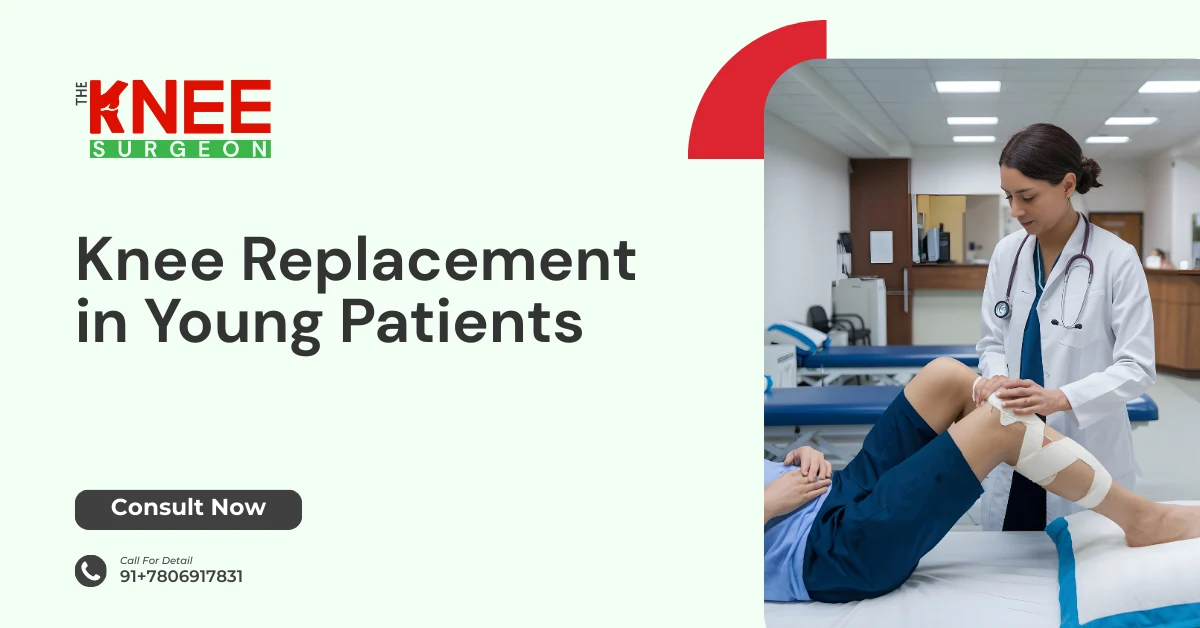
Knee Replacement in Young Patients

Discover how Knee Replacement in Young Patients restores mobility, relieves pain, and supports active lifestyles

Knee Pain Treatment in Chennai 

Expert Knee Pain Treatment in Chennai offering personalized care, pain relief, improved mobility, and trusted

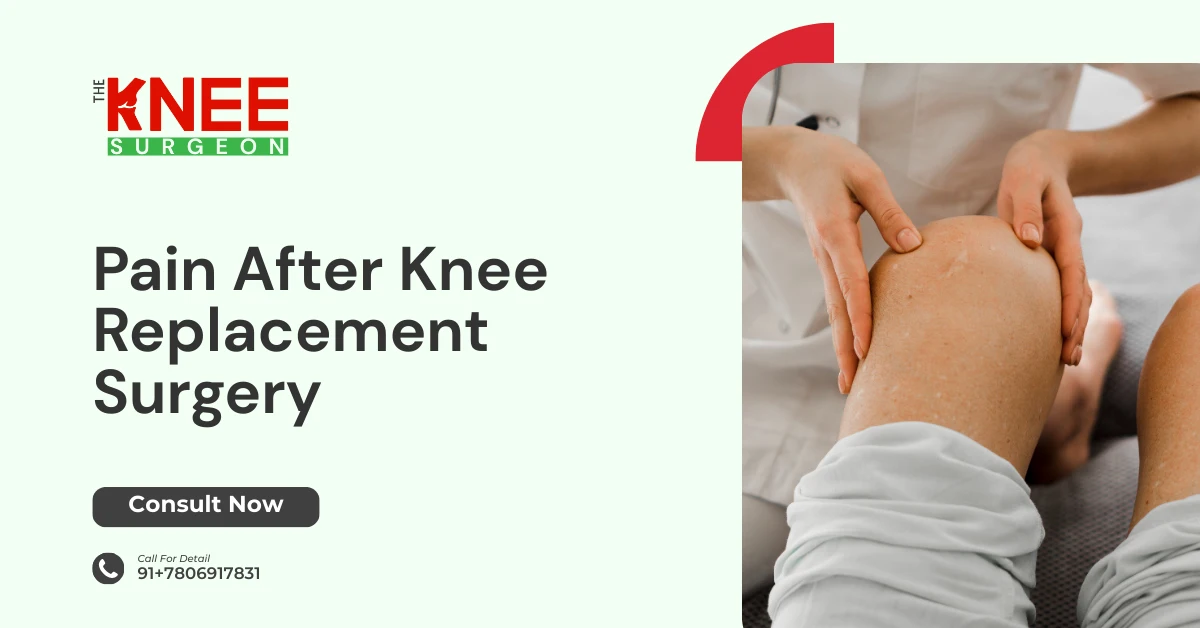
Pain After Knee Replacement Surgery 

Discover the common causes and treatments for pain after knee replacement surgery and how to

Indian Food for Strong Bones

Explore Indian foods for strong bones and simple lifestyle habits that naturally enhance bone strength,

Best Knee Replacement Surgeon in India

India’s leading knee replacement surgeon offering expert assessment, advanced surgical treatment, and long-lasting knee comfort.

Knee Replacement Surgeon in Chennai

Find the best knee replacement surgeon in Chennai for advanced treatment, expert care, and long-lasting

Knee Soft Tissue Injury         

Understand knee soft tissue injuries, common symptoms, treatment options, recovery timelines, and prevention strategies for

Latest Health Vlog Updates

Managing Arthritis: Tips for a Pain-Free Life

Non surgical treatment of knee pain, without knee surgery pain relief.

Lower back pain | Lumbar spondylosis | Back Pain exercise | Exercises at home | Dr Vijay Sohanlal

Don't Let Joint Pain Limit Your Life

Take the first step towards pain-free living. Book your consultation today and discover personalized treatment options tailored to your needs.
Book an Appointment