
Bone weakness is a condition where bones lose their density and strength, making them more susceptible to fractures and other injuries. Understanding the causes of bone weakness is crucial, as they can stem from various factors, including lifestyle, diet, and underlying health conditions. Addressing these causes early can help prevent long-term complications and ensure better bone health.
What Makes Bones Weak
The causes of bone weakness vary from age-related changes to lifestyle choices, and it is essential to identify these factors to take preventive actions.
- Age-Related Bone Density Decline: As we age, bone density naturally decreases, making bones more fragile and prone to fractures. This is often a primary factor in the development of weak bones in older adults.
- Hormonal Imbalances: Hormonal changes, such as those during menopause or due to thyroid issues, can affect bone strength. Low estrogen or testosterone levels can lead to a loss of bone density.
- Nutritional Deficiencies: A diet lacking in essential nutrients like calcium and vitamin D can lead to weakened bones. These nutrients are vital for bone strength and health.
- Sedentary Lifestyle: Lack of physical activity, especially weight-bearing exercises, reduces bone density over time. Staying inactive for prolonged periods weakens bones and makes them more susceptible to fractures.
- Chronic Health Conditions: Conditions like osteoporosis, diabetes, and rheumatoid arthritis are directly linked to weaker bones. These diseases either affect bone formation or cause bone breakdown.
- Prolonged Use of Certain Medications: Medications like corticosteroids can weaken bones if used for extended periods. It’s important to monitor bone health while using these drugs.
- Tobacco Use and Excessive Alcohol Intake: Both smoking and heavy drinking can hinder the absorption of calcium and other essential nutrients, which can lead to bone weakness.
- Awareness of Bone Weakness Risk Factors: Being aware of the risk factors that contribute to symptoms of weak bones and muscles allows individuals to take proactive steps in preventing bone-related issues.
Signs that Your Bones are Weak Early On
Early signs of causes of bone weakness can often be subtle but indicate a need for attention and care. Recognizing these signs can help prevent further deterioration of bone health.
- Repeated Bone Fractures or Minor Breaks: Frequent fractures from minor falls may suggest weak bones. What causes bone loss can often lead to bones being more fragile, even with minimal impact.
- Gradual Reduction in Height: A noticeable loss in height over time may be linked to weakened bones, particularly in the spine, which can compress as bone density decreases.
- Ongoing Back Discomfort: Back pain that doesn’t seem to go away, particularly in older adults, may signal weak vertebrae or other bones in the spine.
- Decreased Hand Grip Strength: A sudden decrease in hand strength may be a sign that the bones in the hands or wrists are weakening, leading to difficulties in everyday tasks.
- Fragile Nails and Sensitive Teeth: Weakened bones are often connected to fragile nails and sensitive teeth, as both bone and dental health rely on similar nutrients.
- Postural Changes and Balance Problems: Weak bones can lead to postural changes like a rounded back or difficulty balancing, increasing the risk of falls.
How Doctors Figure Out If Bones are Weak
When the causes of bone weakness are suspected, doctors use a variety of diagnostic tools to evaluate bone strength and prevent further damage.
- Bone Density Test: A bone density scan, also known as DEXA, is the most common method used to determine the strength of bones and diagnose osteoporosis.
- X-rays: X-rays can help identify fractures, bone thinning, or deformities in bones that may signal weakening.
- Blood Tests: Blood tests are used to check calcium levels, vitamin D deficiency, and other important indicators of bone health.
- Physical Examination: A physical examination helps identify visible symptoms like height loss, postural changes, or signs of fractures that may indicate weak bones.
Options for Treatment and Management
Addressing the causes of bone weakness often involves a combination of lifestyle changes, medications, and sometimes surgical interventions to improve bone density and prevent fractures.
- Medications: Doctors may prescribe medications like bisphosphonates or hormone replacement therapy (HRT) to improve bone strength.
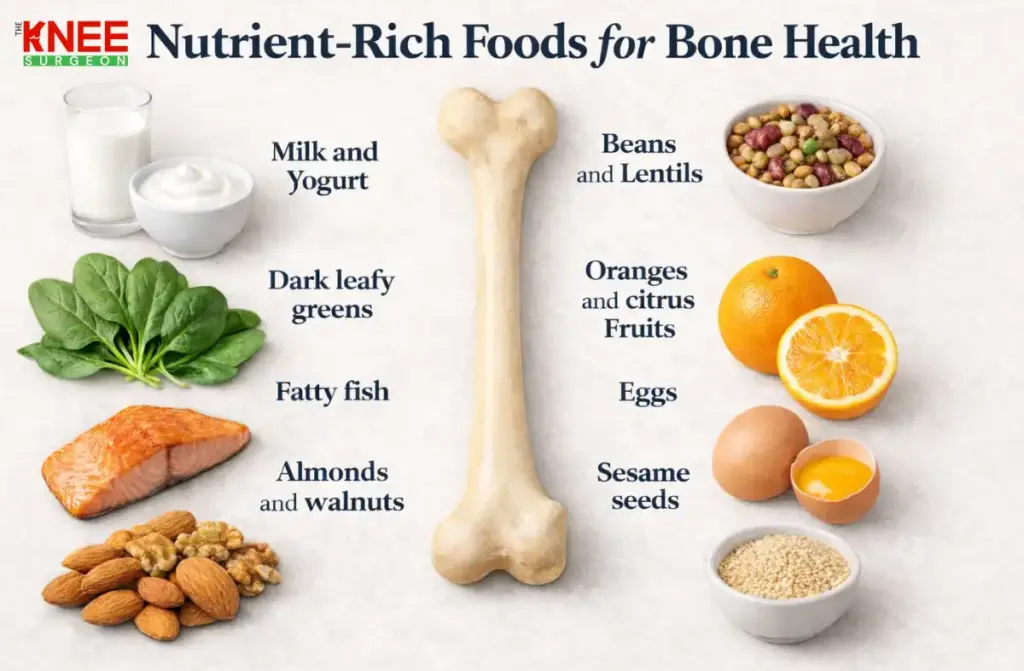
- Nutritional Adjustments: Ensuring adequate intake of calcium, vitamin D, and other bone-building nutrients can significantly improve bone health.
- Weight-Bearing Exercise: Regular exercise, especially weight-bearing exercises like walking or strength training, helps increase bone density and maintain bone strength.
- Surgery: In cases of severe fractures or bone loss, surgery may be necessary to repair damaged bones or replace joints.
Healthy Habits for Life to Keep Your Bones Strong
Preventing causes of bone weakness involves adopting healthy lifestyle habits that support strong bones throughout life.
- Balanced Diet: A diet rich in calcium, vitamin D, and other bone-healthy nutrients helps maintain bone strength as we age. Supplements may be recommended in certain cases.
- Regular Physical Activity: Engaging in weight-bearing exercises like jogging, dancing, or even walking regularly helps stimulate bone growth and prevent bone loss.
- Avoid Smoking and Limit Alcohol: Eliminating smoking and limiting alcohol consumption can prevent bone deterioration and support overall health.
- Regular Checkups: Annual checkups with your healthcare provider can help monitor bone health and address any issues early on.
Conclusion
Dr. Vijay Kumar Sohanlal, a top orthopedic surgeon in Chennai, specializes in treating causes of bone weakness. With his extensive experience, he provides personalized care for bone issues, including fractures and complications from procedures like pain after knee replacement surgery. His expertise ensures effective treatments that strengthen bones and improve mobility. Don’t let bone weakness impact your life—consult Dr. Sohanlal for a tailored treatment plan. Regain your bone health and enjoy a pain-free life with his expert care.