
Medically Reviewed by: Dr. Vijay Kumar Sohanlal, MBBS, MS (Orthopaedics), Orthopaedic & Joint Replacement Surgeon, Founder & Owner, MAHI Multispeciality Hospitals, Kilpauk, Chennai.
Last medically reviewed: October 2026
Bone and joint problems do not always begin with severe pain. Sometimes it is a knee that feels stiff after sitting for a while, a shoulder that no longer moves comfortably, or back pain that keeps returning after everyday activities. When these problems start affecting your work, sleep, walking, or normal routine, it may be time to speak with an orthopedic doctor in India.
An orthopedic doctor evaluates problems involving the bones, joints, muscles, ligaments, tendons, and related structures. Treatment is not always about surgery. Depending on the condition, the doctor may recommend medication, physiotherapy, activity changes, injections, or surgery when it is medically appropriate.
The important first step is finding out what is actually causing the problem.
What Does an Orthopedic Doctor Treat?
Orthopedic doctors manage a wide range of conditions affecting movement and the musculoskeletal system. The type of treatment depends on the location of the problem, its severity, the patient’s age, medical history, and how much it is affecting daily life.
Common conditions include:
- Knee arthritis and chronic knee pain
- Hip arthritis and hip joint problems
- Shoulder pain and rotator cuff injuries
- Sports related ligament and muscle injuries
- Fractures and other bone injuries
- Meniscus and ligament problems
- Joint stiffness and instability
- Tendon injuries
- Avascular necrosis
- Bone and joint deformities
- Conditions requiring joint replacement
An orthopedic consultation can help identify whether the problem can be managed without surgery or whether a surgical opinion is necessary.
When Should You See an Orthopedic Doctor?
You do not have to wait until pain becomes severe before seeking an assessment. Consider consulting an orthopedic doctor if a musculoskeletal problem is persistent or is beginning to interfere with everyday activities.

Some signs that may warrant an evaluation include:
- Joint pain that continues for several weeks
- Difficulty walking or climbing stairs
- Reduced movement in a shoulder, hip, knee, or other joint
- Repeated swelling or stiffness
- Pain that returns despite rest or basic treatment
- Difficulty performing normal work or household activities
- A previous injury that has not recovered as expected
- Increasing difficulty with movement as you get older
A timely evaluation can help determine the cause of the symptoms and prevent unnecessary delays in treatment.
What Should You Consider Before an Orthopedic Consultation?
You can make your consultation more useful by taking your previous medical records, scans, prescriptions, and details of earlier treatments.
It can also help to note:
- When the pain or problem started
- What activities make it worse
- Whether the symptoms are constant or occasional
- Any previous injuries or surgeries
- Medicines or treatments you have already tried
- How the condition is affecting your daily activities
These details can help the doctor understand the problem more clearly.
When is Orthopedic Surgery Considered?
Surgery is considered when the diagnosis and severity of the condition indicate that an operation may provide a meaningful benefit.
For example, advanced joint damage may eventually require knee or hip replacement when pain and functional limitations remain significant despite appropriate non surgical treatment.
Other orthopedic procedures may include arthroscopy, ligament reconstruction, fracture fixation, deformity correction, and other forms of reconstructive surgery.
The decision should be based on the patient’s condition rather than on the availability of a particular surgical technique.
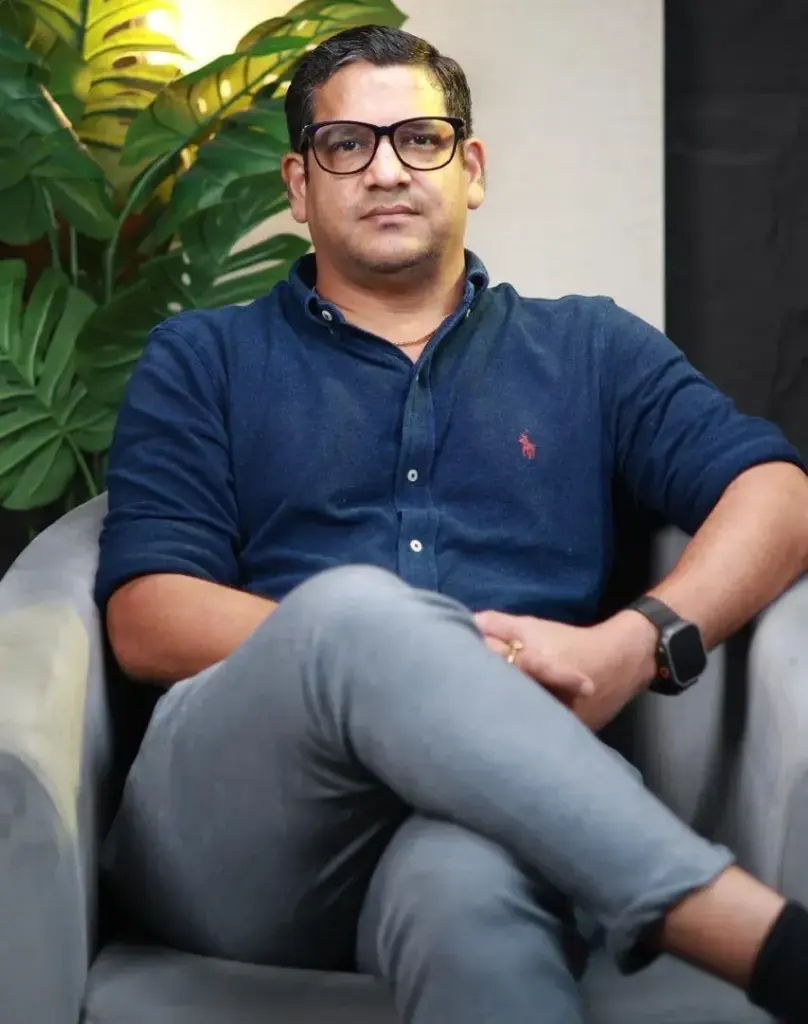
Dr. Vijay Kumar Sohanlal
Dr. Vijay Kumar Sohanlal is an orthopedic and joint replacement surgeon in Chennai with more than 18+ years of clinical experience.
He holds an MBBS and MS in Orthopaedics and has received additional training in joint replacement and arthroplasty. His training and professional exposure include centres in Mumbai, Germany, and Australia.
His clinical focus includes knee and hip conditions, joint replacement procedures, and related orthopedic care. He is the Founder and Owner of MAHI Multispecialty Hospitals in Chennai and has also worked as a Senior Joint Replacement Surgeon at MGM Healthcare.
For patients considering treatment, the consultation focuses on understanding the diagnosis, reviewing available investigations, discussing suitable treatment options, and explaining what recovery may involve.
Orthopedic Care for Different Joint Problems
Orthopedic treatment can vary considerably depending on the joint involved.
Knee problems
Knee arthritis, ligament injuries, meniscus problems, and other conditions can cause pain, stiffness, swelling, and difficulty walking. Treatment may range from physiotherapy and medication to arthroscopic procedures or knee replacement in appropriate cases.
Hip problems
Hip arthritis, avascular necrosis, fractures, and other conditions can affect walking and everyday movement. Depending on the extent of joint damage, treatment may include non surgical care or hip replacement.
Shoulder problems
Shoulder pain can result from rotator cuff injuries, arthritis, instability, or other conditions. A proper examination helps determine whether physiotherapy, medication, injections, or surgery may be appropriate.
Sports and ligament injuries
Sports related injuries can involve ligaments, tendons, cartilage, or muscles. Treatment depends on the type and severity of the injury and the patient’s activity requirements.
What Happens During an Orthopedic Consultation?
The consultation usually starts with a discussion about your symptoms and medical history. The doctor may examine the affected area and assess movement, strength, stability, or other relevant signs.
Depending on the findings, X rays, MRI scans, blood tests, or other investigations may be recommended.
The doctor can then explain the diagnosis and discuss suitable treatment options. If surgery is being considered, the consultation should also cover the reason for surgery, expected benefits, possible risks, recovery, and rehabilitation.
Questions to Ask Your Orthopedic Doctor
Before making a treatment decision, you may want to ask:
- What is causing my symptoms?
- Do I need further tests?
- Can my condition improve without surgery?
- What treatment options are available?
- If surgery is recommended, why is it necessary?
- What are the possible risks and complications?
- How long could recovery take?
- Will I need physiotherapy?
- When can I return to my normal activities?
- What follow up will I need?
Having these questions ready can make the consultation more informative and help you understand your treatment plan.
Choosing an Orthopedic Doctor in India
Finding an orthopedic doctor in India should begin with understanding your own medical needs. Qualifications, relevant clinical experience, treatment approach, communication, and follow up care are all useful factors to consider.
Rather than choosing a doctor based only on a ranking or promotional statement, look for information that is relevant to your condition and discuss your options directly during a consultation.
For patients in Chennai and other parts of South India, Dr. Vijay Kumar Sohanlal provides orthopedic and joint replacement care with a focus on individual assessment and treatment planning.
Read More: Robotic knee replacement Surgeon in Kilpauk.