

Knee replacement surgery is a widely performed treatment for individuals experiencing chronic knee pain caused by arthritis, injury, or joint degeneration. While the surgery brings significant relief, patients may experience pain after knee replacement surgery. This pain is usually a part of the recovery process as the body adjusts to the new implant. However, understanding this pain and managing it effectively can significantly improve your recovery journey.
Is Pain After Knee Replacement Surgery Normal?
After undergoing knee replacement surgery, some discomfort is to be expected as part of the healing process. Pain after knee replacement surgery can vary from person to person, with the intensity usually decreasing over time. The initial pain may be a result of inflammation, swelling, and the body adjusting to the new implant.
Knee Pain After Knee Replacement
Knee pain after knee replacement can also occur due to physical therapy or overexertion during recovery. The pain typically subsides within a few weeks, but some residual discomfort may persist for several months, especially during physical activities or movement. It’s essential to monitor the level of pain and consult with your healthcare provider if it becomes excessive or lingers longer than expected.
Common Causes of Pain Following Knee Replacement Surgery
Several factors may contribute to pain after knee replacement surgery. Understanding these causes can help in managing expectations and recovery. Below are some common causes of pain:
- Implant Loosening Issues: Implant loosening can occur when the artificial knee joint becomes unstable over time. This can lead to discomfort and pain, especially when the joint moves or bears weight.
- Infection After Knee Replacement Surgery: Infection is a rare but serious complication following knee replacement. Symptoms can include redness, swelling, and significant pain, often requiring antibiotics or further surgical intervention to resolve.
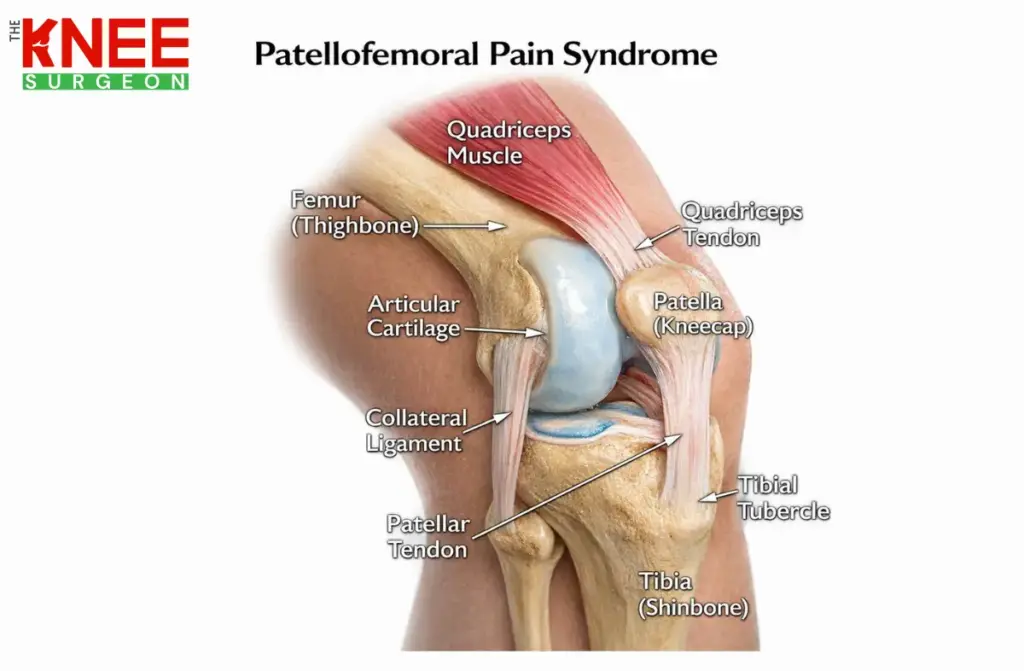
- Kneecap (Patellofemoral) Related Complications: Kneecap-related problems, such as misalignment or damage, can lead to increased knee pain after knee replacement. These issues may cause discomfort, especially when bending or straightening the knee.
- Problems With Implant Alignment: Incorrect implant alignment can result in abnormal pressure on the knee joint, causing pain. This condition may also affect movement and flexibility.
- Nerve Damage or Neuroma Development: Sometimes, nerve damage can occur during surgery, leading to persistent pain or the development of neuromas (nerve growths), causing discomfort in the knee region. How painful is a total knee replacement if this happens? Nerve issues can significantly affect the healing process and require targeted treatment.
How Long Pain Lasts After Knee Replacement Surgery
The duration of pain after knee replacement surgery varies from person to person, depending on their recovery process and overall health. The pain generally subsides over a few months as the body heals, but some discomfort might continue longer, particularly with movement.
- Early Stage Pain (First Few Weeks): During the first few weeks after surgery, pain is usually managed with prescribed medications and physical therapy. It is normal to experience some swelling and discomfort as the knee begins to adjust.
- Mid-Recovery Pain (1-6 Months): In this phase, the pain usually decreases, though some stiffness and soreness might still be present. Is knee replacement surgery painful during this time? For many, the pain will significantly lessen, though physical therapy can still cause temporary discomfort.
- Long-Term Pain (6 Months to a Year): By this stage, most patients experience minimal pain. However, residual discomfort may persist during certain activities, especially if the knee is overexerted.
Types of Pain Experienced After Knee Replacement
Various types of pain after knee replacement surgery can occur, each with its characteristics. Understanding these types can help you manage your pain more effectively.
- Sharp Pain: Sharp pain, often felt during movement, may occur when the joint is stressed or the healing process faces challenges.
- Aching Pain: An aching sensation is common after the surgery and can occur in the muscles or around the knee as it heals.
- Stiffness and Tightness: Stiffness or tightness in the knee is another form of discomfort that many patients experience, especially after long periods of rest or physical activity. Knee pain after knee replacement may be experienced when bending or straightening the leg.
Effective Methods to Manage Pain After Knee Replacement Surgery
Managing pain after knee replacement surgery effectively is crucial for a speedy and smooth recovery. Below are some common strategies:
- Physical Therapy: Physical therapy is vital for strengthening the muscles around the knee and improving joint flexibility, helping to reduce pain and discomfort.
- Pain Medications: Doctors may prescribe pain medications, including non-steroidal anti-inflammatory drugs (NSAIDs) or opioids for short-term relief, to manage pain during recovery.
- Ice Therapy and Elevation: Applying ice to the knee and elevating the leg can help reduce swelling and alleviate pain.
- Knee Braces and Supports: Using knee braces or supports can provide stability and prevent unnecessary strain on the knee, thereby managing pain effectively.
How painful is a total knee replacement when these methods are implemented? Proper use of these pain management techniques can significantly reduce discomfort.
Warning Signs of Unusual or Persistent Pain
While some discomfort after knee replacement surgery is normal, certain signs may indicate complications. Monitoring pain is essential for early intervention.
- Excessive Swelling or Redness: If you notice severe swelling or redness that doesn’t subside with treatment, it may be a sign of infection or other complications.
- Fever and Chills: Fever and chills alongside pain after knee replacement surgery can indicate an infection, requiring immediate medical attention.
- Persistent Sharp Pain: If sharp pain persists or worsens over time, this could suggest problems with the implant or alignment, requiring further evaluation by your orthopedic specialist.
When to Consult Your Orthopedic Specialist
It’s important to consult your orthopedic specialist if pain after knee replacement surgery becomes abnormal or severe. Below are some signs that require medical attention:
- Prolonged Pain Beyond Expected Recovery: If pain lasts significantly longer than the anticipated recovery time, it could be a sign that something is wrong with the implant or healing process.
- Difficulty Moving the Knee: If you find it difficult to move or bend the knee, it could indicate complications that need to be addressed by a specialist.
- Signs of Infection: If you experience symptoms like fever, excessive swelling, or pus drainage from the surgical site, it’s crucial to see your doctor.
- Treatment of Knee Pain After Knee Replacement: Timely consultation with your orthopedic surgeon will ensure that any complications are treated promptly, reducing the risk of further issues.
Conclusion
With the right medical guidance, pain after knee replacement surgery can be effectively managed and relieved. Dr. Vijay Kumar Sohanlal, one of the best orthopedic surgeon in Chennai, is known for his expertise in operative techniques in surgery and post-surgical knee pain. His personalized approach focuses on identifying the exact cause of discomfort and providing targeted treatment. With advanced techniques and compassionate care, he helps patients recover faster and regain confident mobility. Choosing an experienced specialist ensures a smoother, safer recovery journey.
Read More: Total Knee Replacement Surgeon in Chennai.