Medically Reviewed by: Dr. Vijay Kumar Sohanlal, MBBS, MS (Orthopaedics), Orthopaedic & Joint Replacement Surgeon, Founder & Owner, MAHI Multispeciality Hospitals, Kilpauk, Chennai.
Last medically reviewed: August 2026
What is Orthopedics, and What Does an Orthopedic Surgeon Actually Do?
Orthopedics is the branch of medicine concerned with the bones, joints, ligaments, tendons, and muscles, essentially, everything that makes up your musculoskeletal system and lets you move, bear weight, and use your body without pain. An orthopedic surgeon in Tamil nadu is a doctor trained specifically in diagnosing and treating problems within this system, ranging from a simple fracture that heals in a cast to a fully worn-out hip joint that needs to be replaced with an artificial one.
What an orthopedic surgeon does day to day is broader than the word “surgeon” suggests. A large part of the job is non-surgical: examining a painful joint, reading X-rays or MRI scans, ruling out serious causes, and recommending physiotherapy, medication, injections, or lifestyle changes before surgery is ever discussed. Surgery becomes the recommendation only when conservative treatment has been tried and hasn’t given enough relief, or when the damage is severe enough that delaying surgery would make the eventual outcome worse. When surgery is needed, it can range from a short arthroscopic procedure to repair a torn ligament, to a multi-hour joint replacement, to complex trauma reconstruction after a serious accident.
Common orthopedic conditions treated include:
- Osteoarthritis of the hip, knee, or shoulder, where cartilage wears down over time, causing pain and stiffness
- Ligament and tendon injuries, such as ACL tears, meniscus tears, or rotator cuff damage, often from sports or sudden movements
- Fractures, from simple hairline cracks to complex breaks requiring plates, screws, or rods to heal correctly
- Spinal conditions, including herniated discs, spinal stenosis, and nerve compression causing back or leg pain
- Joint deformities and instability, whether from injury, arthritis, or conditions present from birth
- Avascular necrosis, a less common condition where bone tissue dies from a disrupted blood supply, sometimes requiring joint replacement even in younger patients
- Osteoporosis-related fractures, particularly in older patients, where weakened bone breaks more easily and needs specialized fixation
Bone and joint problems rarely announce themselves clearly. A dull ache in the hip that you blame on sitting too long. A knee that clicks going down stairs. A shoulder that’s stopped reaching overhead the way it used to. By the time most people in Tamil Nadu start searching “best orthopedic surgeon in Tamil Nadu,” they’ve usually already tried rest, over-the-counter pain relief, and hoping it goes away on its own.
This guide isn’t a ranked list. There’s no board that certifies a single “number one” orthopedic surgeon across an entire state covering everything from sports injuries in teenagers to hip revisions in 80-year-olds; those require different skill sets, address different patient needs, and different surgeons excel at each. Instead, this walks through how to actually evaluate an orthopedic surgeon for your specific problem, and where Dr. Vijay Kumar Sohanlal fits for patients dealing with hip, knee, and joint conditions in and around Chennai.
Orthopedics isn’t One Specialty. It’s several.
This is the part most “best surgeon” articles skip, and it matters more than any ranking. Orthopedic surgery covers bones, joints, ligaments, tendons, and muscles, but within that, surgeons tend to build deep expertise in a narrower area:
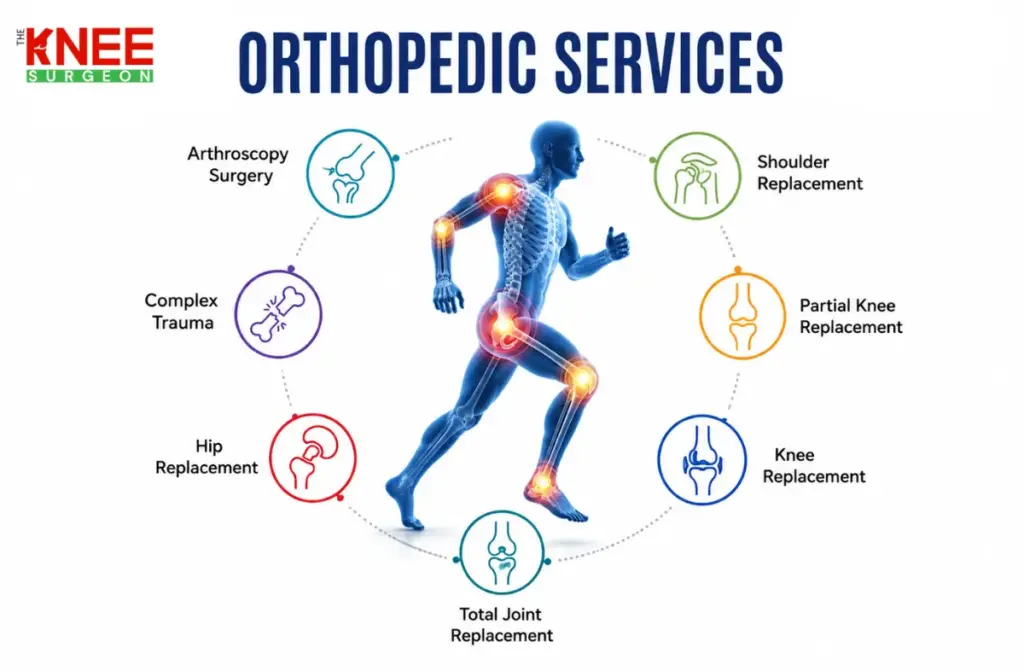
- Joint replacement (arthroplasty): hip and knee replacement, revision surgery for failed implants
- Sports medicine: ACL reconstruction, meniscus repair, arthroscopic procedures for younger, active patients
- Spine surgery: disc problems, spinal deformity, nerve compression
- Trauma and fracture care: emergency fixation, complex fractures from accidents
- Pediatric orthopedics: growth-related and congenital bone conditions
A surgeon who’s excellent at ACL reconstruction in a 22-year-old athlete isn’t automatically the right choice for a 68-year-old needing a hip revision, and vice versa. The single most useful thing you can do before searching is to get specific about which of these your problem actually falls under, then look for a surgeon whose stated focus matches it.
What Actually Separates a Strong Orthopedic Surgeon From an Average One
- Depth in a specific procedure type, not breadth across everything. A surgeon who lists ten different specialties on their homepage may be a generalist rather than someone with deep, repeated hands-on experience in your specific condition. Ask how many procedures like yours, specifically, they perform in a typical year.
- Fellowship training beyond the base MS Orthopaedics. MBBS plus MS (Orthopaedics) is the entry qualification to practice orthopedic surgery in India. What separates a specialist is additional fellowship training, ideally in the specific sub-area relevant to your condition, and ideally including time at centers where the more advanced techniques (robotic-assisted, navigation-guided) were adopted earlier than in most Indian hospitals.
- A clear, honest answer about non-surgical options first. Not every joint or spine problem needs an operation. A surgeon who moves straight to recommending surgery without first discussing physiotherapy, medication, or activity modification is worth a second opinion. The strongest orthopedic surgeons are often the ones who talk you out of unnecessary surgery, not into it.
- Willingness to discuss complication rates plainly. Infection, nerve injury, implant failure, and prolonged recovery are all real, if uncommon, risks depending on the procedure. A surgeon who addresses this directly, rather than deflecting, is generally being straight with you about the rest of your treatment plan too.
- A named, structured rehabilitation plan, not a vague “you’ll get better with time.” Especially for joint replacement and ligament surgery, the physiotherapy protocol in the weeks after surgery has a major influence on the final outcome.
Search Smarter Than the Generic Keyword
If your symptoms match one of the conditions above closely, that’s a stronger starting point for your search than the generic keyword alone. Searching “hip specialist Chennai” or “ACL surgeon Tamil Nadu” will usually get you a more relevant match than “best orthopedic surgeon” broadly, since it’s specific to the type of expertise you actually need.
Warning Signs You Shouldn’t Ignore
Most joint and bone problems build up gradually, which is exactly why they’re easy to dismiss for months or years. A few signs are worth acting on sooner rather than later:
- Pain that wakes you up at night. Daytime pain that’s manageable but continues at rest or disturbs sleep usually signals the condition has progressed past what activity modification alone will fix.
- A joint that’s become visibly swollen, red, or warm. This can indicate active inflammation or, less commonly, infection, both of which need prompt evaluation rather than a wait-and-see approach.
- Sudden inability to bear weight after an injury. This warrants same-day evaluation, not a scheduled appointment days later, since it can indicate a fracture or significant ligament tear.
- Progressive numbness, tingling, or weakness, particularly radiating down an arm or leg. This can point to nerve compression from a spinal issue and shouldn’t be managed with pain medication alone indefinitely.
- A limp or altered gait that’s become your new normal. If you’ve unconsciously adjusted how you walk to avoid pain, the underlying joint damage is usually more advanced than the pain alone suggests.
None of these automatically mean surgery is needed, but they’re all reasons to get an orthopedic evaluation rather than continuing to self-manage with over-the-counter medication.
About Dr. Vijay Kumar Sohanlal
Dr. Vijay Kumar Sohanlal is an orthopedic and joint replacement surgeon based in Chennai, with over 18+ years of clinical experience concentrated primarily in hip and knee surgery, including robotic-assisted and minimally invasive techniques. He completed his MBBS at Mysore University and his MS (Orthopaedics) at Sri Ramachandra University, followed by fellowship training in joint replacement and navigation-guided surgical techniques in Germany and Australia, exposure that brought him early familiarity with technology that reached most Indian hospitals only in the last several years.
His clinical focus is joint replacement and reconstruction rather than general orthopedics across every sub-specialty; patients dealing with hip arthritis, knee arthritis, avascular necrosis, or joint revision procedures are the population he treats most consistently. For fracture trauma, pediatric orthopedics, or spine surgery, a surgeon focused specifically in those areas may be a better first stop.
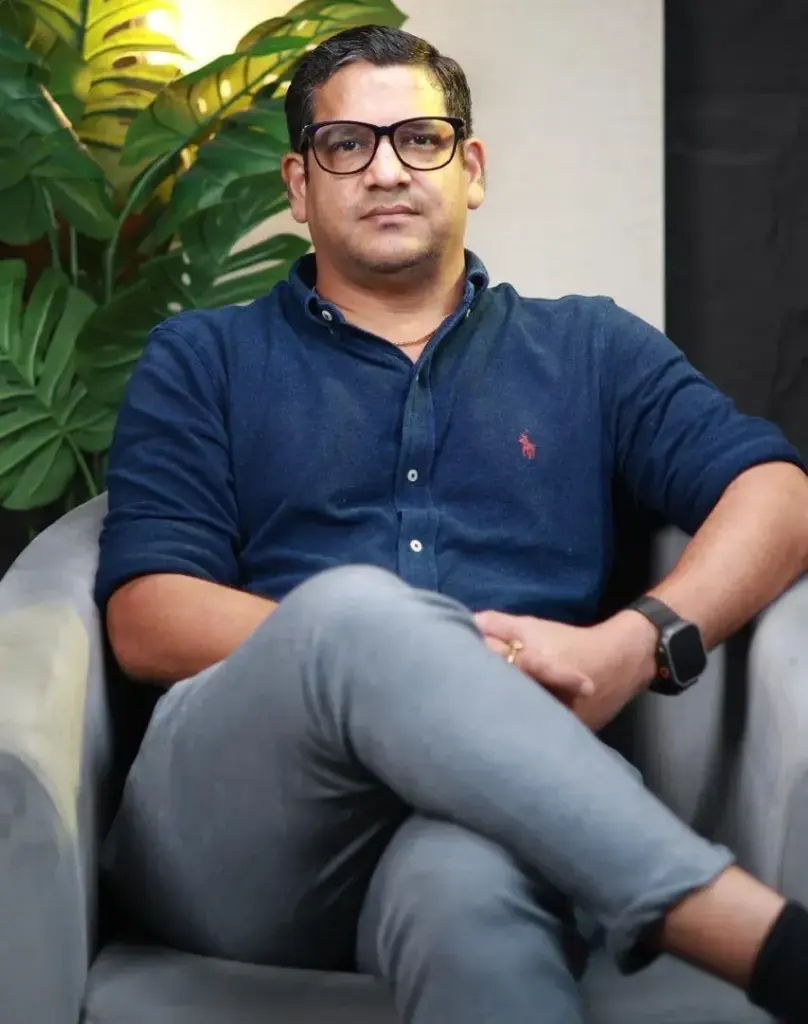
- Experience: 18+ years, focused on hip and knee joint replacement
- Qualifications: MBBS (Mysore University), MS Orthopaedics (Sri Ramachandra University)
- Fellowship training: Germany, Australia (navigation-guided and robotic-assisted joint replacement)
- Owner and Founder: MAHI Multispecialty Hospital, Kilpauk.
- Senior Joint Replecement at MGM Healthcare, Aminjikarai, Chennai
Patients can independently verify reviews on Google, Practo, and Justdial rather than relying only on testimonials published on the practice’s own site. That’s a reasonable habit with any surgeon under consideration, not specific to this one.
Questions Worth Asking Before You Commit to a Surgeon
- What is your specific experience with my condition, not orthopedics broadly?
- Is surgery actually necessary now, or are there non-surgical options worth trying first?
- How many procedures like mine have you performed, and what’s your complication rate?
- What does recovery and physiotherapy actually involve, week by week?
- If I need a second opinion, are you comfortable with that, and can you share my imaging?
A surgeon who answers these directly, with specific numbers rather than reassurance alone, is generally the one worth trusting with a decision this significant.
Why Tamil Nadu Has Become a Strong Destination for Orthopedic Care
Tamil Nadu, and Chennai specifically, has built up genuine depth in orthopedic care over the past two decades: multiple hospitals with dedicated joint replacement units, surgeons trained internationally who’ve returned to practice locally, and treatment costs that remain a fraction of equivalent care in the US, UK, or Gulf countries without a corresponding drop in surgical standards at reputable centers. This combination is why the state, and Chennai in particular, draws patients from across South India and, for complex or revision cases, from further afield.
That said, “Tamil Nadu has good orthopedic care” and “this specific surgeon is right for my specific condition” are two different questions. State-level reputation doesn’t substitute for checking an individual surgeon’s specific track record with your exact problem.
What Orthopedic Treatment Costs, and Why It Varies So Much
Cost varies enormously depending on the procedure, from a straightforward fracture fixation to a complex revision joint replacement, so any single number quoted online should be treated as a rough starting point, not a quote.
- Procedure complexity: a primary knee replacement costs meaningfully less than a revision knee replacement or complex spinal reconstruction.
- Implant type: imported premium implants cost more than domestically manufactured ones that still meet safety standards.
- Robotic vs. conventional technique: robotic assistance typically adds a moderate premium for equipment costs.
- Hospital category and room type: private rooms versus shared wards meaningfully change the total package.
- Insurance coverage: many procedures are covered under standard health insurance policies, but pre-authorization and waiting-period clauses should be confirmed before scheduling.
Ask for an itemized breakdown (surgeon fee, implant cost, hospital stay, physiotherapy) rather than comparing a single headline figure between hospitals; it’s the only way to compare like with like.
Making Your Decision
There’s no single correct answer to “who is the best orthopedic surgeon in Tamil Nadu” independent of what you actually need treated. The right decision depends on matching your specific condition to a surgeon with real, repeated experience treating it, verifying their credentials and reviews independently, and being honest with yourself about how comfortable you feel with them as a person, since this is ultimately a decision about trusting someone with your body.
For patients dealing with hip or knee arthritis, joint replacement, or related conditions in Chennai, Dr. Vijay Kumar Sohanlal is available for consultation at MAHI Multispecialty Hospital, Kilpauk, and MGM Healthcare, Aminjikarai.
Read More: Best Orthopedic Surgeon in Kilpauk.